Alphabet and Tesla Earnings Rattle Traders on AI Spending
Both tech giants saw shares slide after earnings revealed surging AI costs that spooked Wall Street investors.
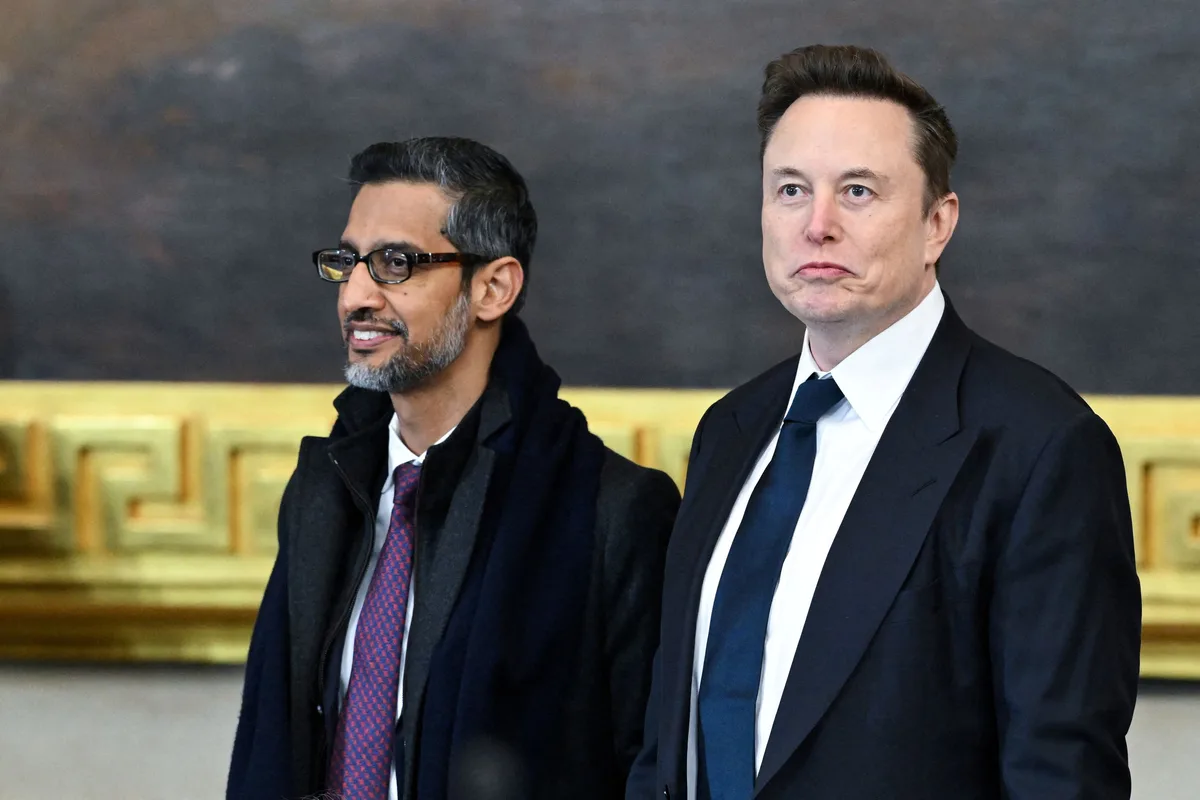
Wall Street's patience is running thin. Alphabet and Tesla both took hits to their share prices after quarterly earnings laid bare just how aggressively the companies are pouring money into AI infrastructure. Investors came in hoping for growth stories — they got spending sprees instead.
The market's message is clear: showing up to earnings with ballooning costs and no immediate payoff is a fast way to get punished. Both companies reported massive spending increases, and traders voted with their sell buttons. That kind of reaction tells you sentiment around AI ROI is shifting — the blank-check era may be closing.
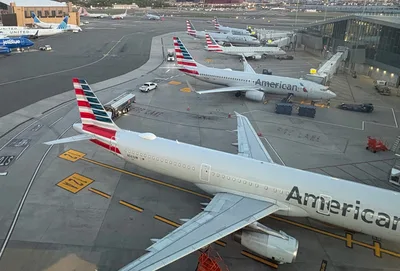
Read more American Airlines Slashes 2026 Outlook as Fuel Costs Bite →
For active traders, this is the tension to watch right now. The AI trade is far from dead, but the market is starting to demand proof of returns, not just promises. Alphabet and Tesla are two of the most widely held names on the street, so when they bleed, portfolios feel it broadly.
If you're positioned in either name, the near-term setup just got more complicated. The fundamental question isn't whether AI spending is smart long-term — it probably is — but whether these stocks can hold support while the market waits for that bet to pay off. Patience has a price, and right now traders are charging it.
Continue reading at US Top News and Analysis