Asia-Pacific Markets Rocked by Iran Strikes and Weak China GDP
Iran hit US bases across the Gulf as China's Q2 GDP missed estimates at 4.3%, shaking Asian markets on July 15.
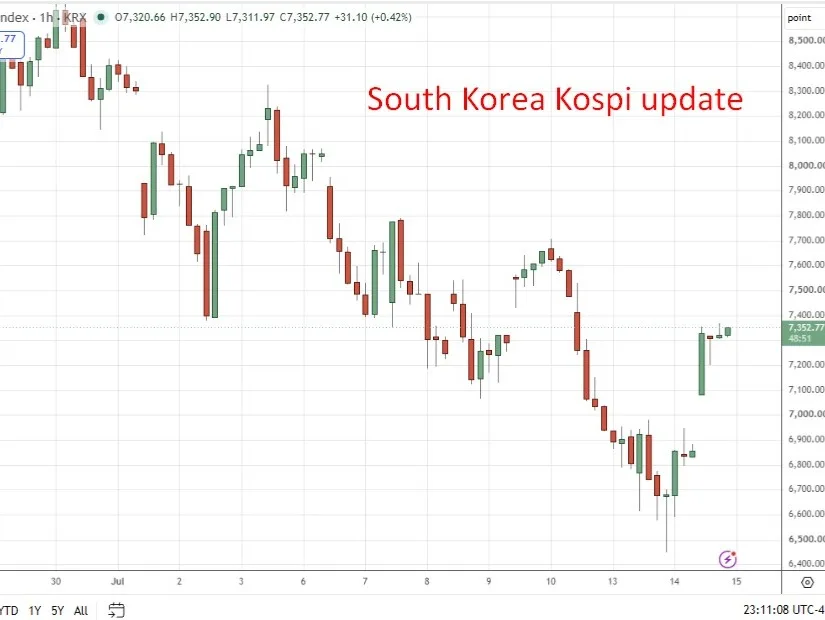
Tuesday's Asia-Pacific session was anything but quiet. Iran struck US military bases in Bahrain, Kuwait, and Jordan, sending oil prices to a one-month high as traders priced in serious Strait of Hormuz risk. Meanwhile, the US confirmed it had already hit dozens of Iranian military sites near Hormuz — and Trump said talks with Tehran are ongoing. You need to watch this conflict closely; it's moving fast and hitting commodities hard.
China's economy handed traders another reason to stay cautious. Q2 GDP came in at 4.3% year-over-year — the weakest growth in three and a half years and a miss versus the 4.5% consensus. On a quarter-over-quarter basis it matched expectations at 0.9%, but that headline number stings. New home prices dropped for a fourth consecutive year in June, though the annual decline of 3.3% did improve slightly from the prior 3.5% fall. The property drag is still very real.
Read more Trump Eyes Iran Deal and Military Escalation at Same Time →
Not everything was doom and gloom. China's June retail sales surprised sharply to the upside at +1.0% year-over-year against an expected contraction of -0.1%, and industrial output beat at +5.3% versus the 4.6% forecast. Beijing also laid out an ambitious consumption target: 60 trillion yuan in retail sales by 2030. Big number — but credibility will depend on execution, especially with the property sector still a deadweight.
Korea was the standout equity story. The Kospi surged so hard that the Korea Exchange halted trading twice on circuit breakers. SK Hynix rocketed 12%, dragging chip sentiment higher across the region. The Nikkei also rose, though gains were capped ahead of ASML earnings. Goldman Sachs noted that Gulf states are racing to route oil via pipeline around Hormuz, which could insulate most Gulf exports — a key development for oil traders mapping downside risk on supply disruption.
Bottom line: geopolitical risk premium is back in oil, Korean chips are on fire, and China's macro picture is mixed at best. Size your risk accordingly. Continue reading at Forexlive.