Carl Icahn Called Out BlackRock for Shielding Bad CEOs Back in 2015
Icahn accused Larry Fink's $4.8T giant of siding with management over shareholders, using Motorola as his $9B example.
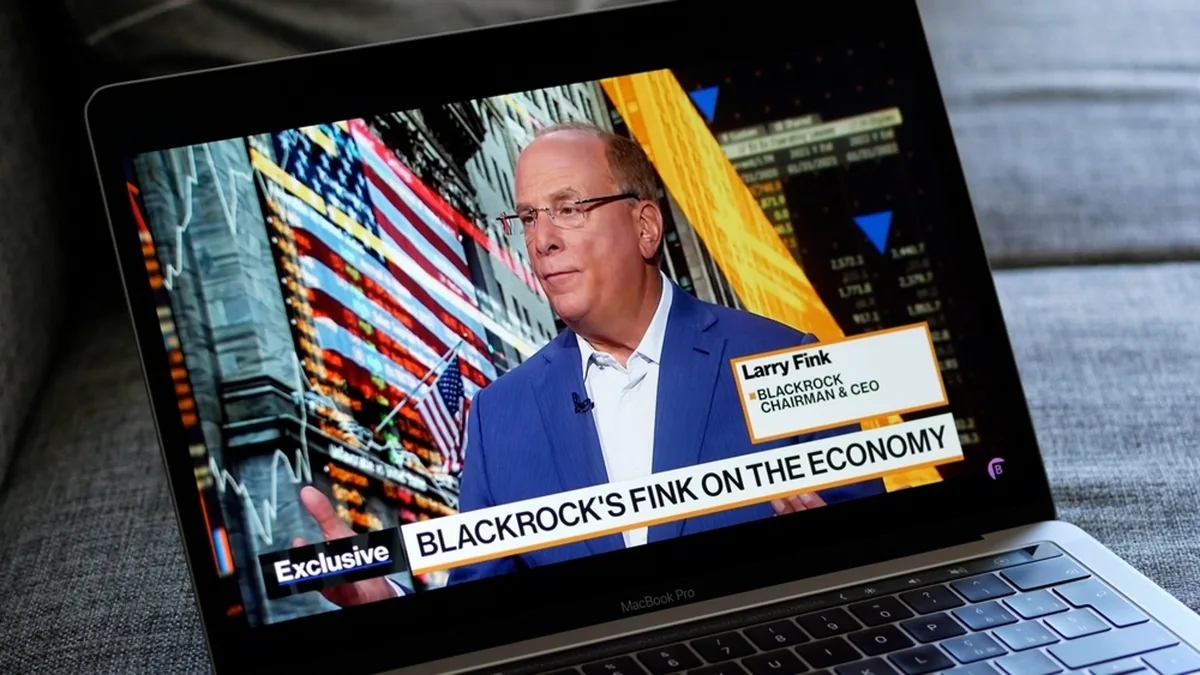
Before BlackRock became the untouchable $4.8 trillion colossus it is today, Carl Icahn walked right up to Larry Fink and told him his firm was part of the problem. The year was 2015, and Icahn wasn't mincing words — he accused BlackRock of using its massive voting power to protect entrenched, underperforming CEOs instead of holding them accountable to the people who actually owned the stock.
Icahn's attack wasn't abstract. He pointed directly at Motorola as a concrete, $9 billion case study in what he saw as institutional negligence. His argument was simple and brutal: when the world's largest asset manager votes with management by default, activist shareholders lose leverage and bad executives keep their jobs. That's not passive investing — that's passive enabling.
Read more How Much Microsoft Stock Does CEO Satya Nadella Own? →
The broader critique landed at a moment when passive index funds were accelerating toward dominance. Icahn's concern was that giants like BlackRock, by owning enormous stakes across every major company, had both the power and the responsibility to push for better governance — and were choosing to punt instead. It's a debate that hasn't gone away, and if anything has gotten louder as BlackRock's assets have ballooned well beyond what they were in 2015.
For retail traders and individual investors, this saga is worth understanding. When a single firm controls enough shares to swing virtually any corporate vote, the question of how they vote matters to your portfolio. Icahn saw that dynamic clearly — and said so publicly when almost no one else dared challenge Fink directly. Whether you think Icahn was a shareholder champion or a corporate raider depends on your angle, but his 2015 broadside exposed a real tension at the heart of passive investing that still shapes markets today.
Continue reading at Benzinga.