Colombia's Oil and Gas Sector Faces a Make-or-Break Moment
Colombia's energy output is sliding. The new government must decide fast whether to reverse course or let decline accelerate.
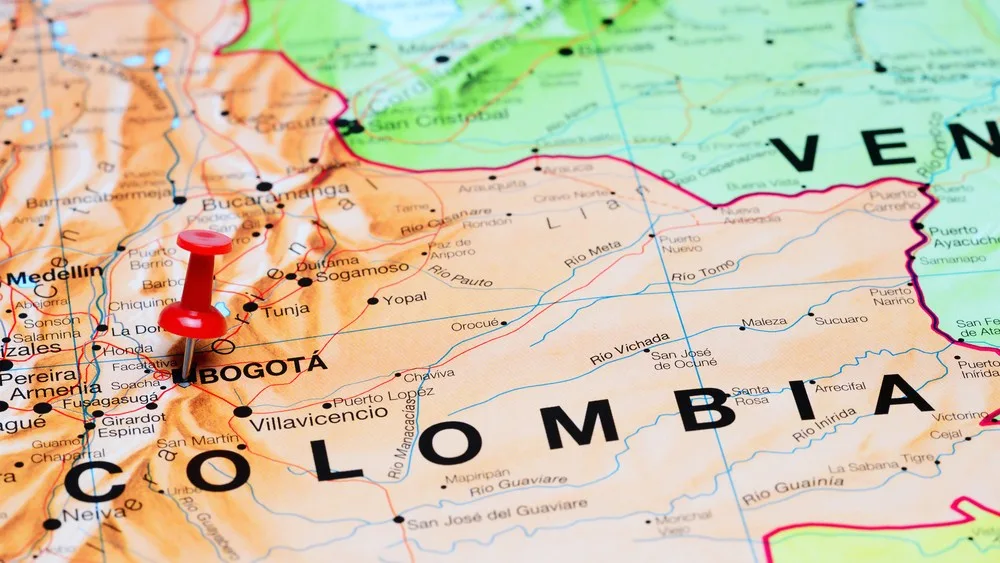
Colombia's oil and gas industry is at a crossroads, and the clock is ticking. Production has been trending downward, and without a clear policy shift, the country risks losing its status as a meaningful energy exporter. That's not just a problem for Bogotá — it's a signal worth watching for anyone trading Latin American energy exposure.
The core issue is exploration. Years of underinvestment, regulatory friction, and political uncertainty have kept new drilling activity suppressed. You can't reverse a production decline without putting money in the ground, and that money hasn't been flowing. The previous government's skepticism toward fossil fuels didn't help attract the international capital needed to open new fields.
Read more Broadcom's $30B Apple Deal Gives Non-AI Revenue a Jolt →
Now a new administration has the chance to reset the tone. The tradeable angle here is simple: if Colombia moves to streamline permitting, offer better fiscal terms to foreign operators, or signal a more pragmatic energy policy, watch for renewed interest from mid-cap E&P companies with Latin American footprints. Sentiment can shift faster than production curves.
But reversing an oil decline isn't a quick fix. Infrastructure gaps, security concerns in producing regions, and global ESG pressure on investors all act as headwinds. Even a policy-friendly government needs years to translate intentions into barrels. Traders should think in terms of optionality, not overnight catalysts.
The stakes are real for Colombia's fiscal health too. Oil revenues fund a significant chunk of the national budget, so a prolonged decline puts pressure on the peso and sovereign credit. Keep that macro linkage in your back pocket. Continue reading at Yahoo Finance.