Fed Chair Warsh Wants a Quieter Fed, Eyes Inflation Risk
Kevin Warsh outlined his central bank philosophy, flagging inflation concerns while dodging rate signals.
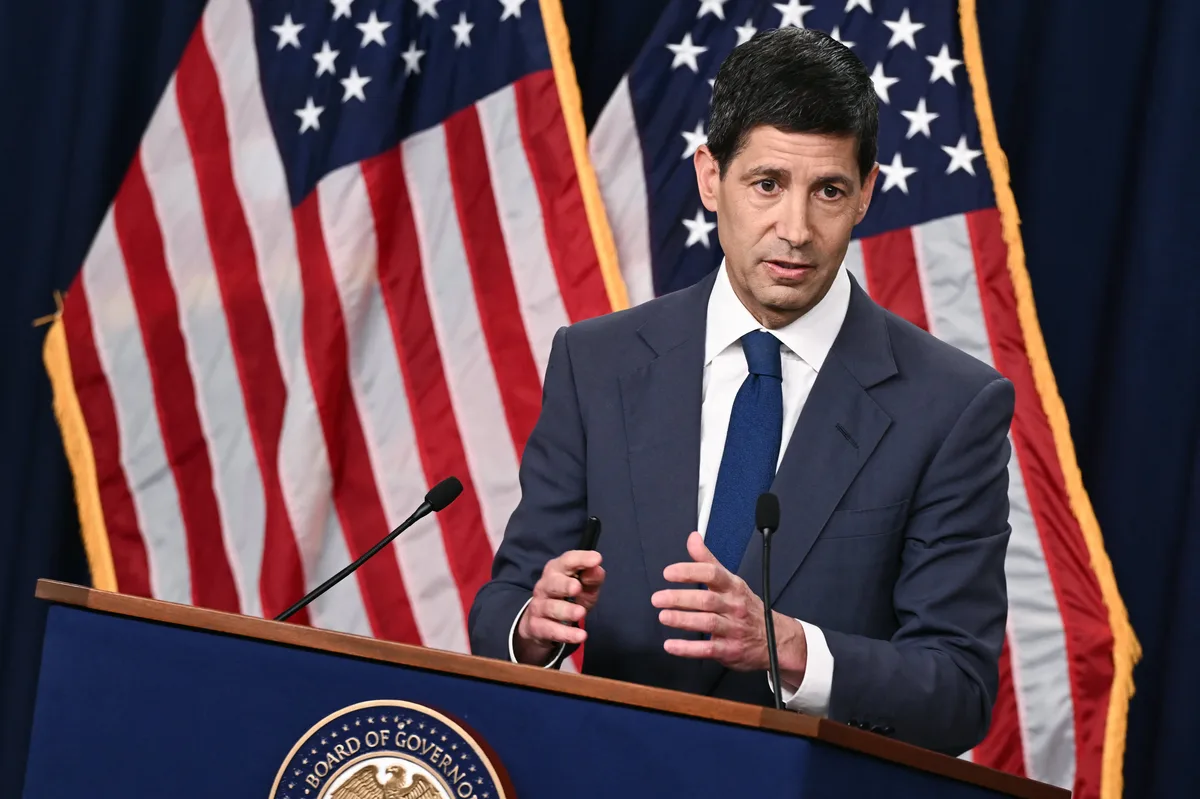
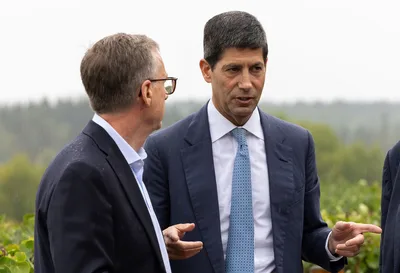
If you trade around Fed headlines, pay attention: Chairman Kevin Warsh just put his philosophy on the table, and it's a shift in tone worth tracking. In a recent speech, Warsh expressed real concern about inflation while simultaneously calling for a more restrained, "quieter" Federal Reserve. That combo — hawkish on prices, humble on communication — could reshape how markets read future Fed moves.
Warsh used the platform to sketch out his vision for the central bank without tipping his hand on the near-term rate path. No forward guidance. No soft commitments. Just a clear signal that he thinks the Fed has been too loud for too long. For traders who've been conditioned to parse every word out of the Eccles Building, that's a curveball.
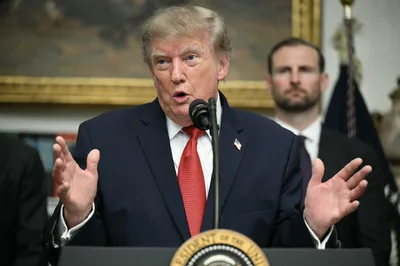
Read more Trump Slams Fed Rate Policy, Demands Much Lower Rates →
The inflation concern is the part you can't ignore. Warsh didn't shrug it off as yesterday's problem. That hawkish lean, even without explicit policy signals, suggests he's not in a rush to cut rates — and could push back hard if price pressures re-accelerate. Bond markets and rate-sensitive equities should be watching this closely.
A quieter Fed also means fewer data points to trade around. If Warsh follows through on that philosophy, expect fewer trial balloons from Fed officials and less jawboning between meetings. That changes the volatility playbook. Less Fed noise can mean sharper, faster reactions when the central bank does speak.
The bottom line: Warsh is telegraphing a more disciplined institution that still has inflation on its radar. Whether he can actually deliver that quiet confidence — and whether markets believe him — is the trade. Continue reading at US Top News and Analysis.