Fourth of July, Ben Franklin, and What a Free Press Really Means
A look at how Ben Franklin's legacy connects to Fourth of July ideals around press freedom and American democracy.
The Fourth of July isn't just about fireworks and barbecue. It's a moment to think hard about the foundational principles that made this country worth celebrating in the first place — and a free press sits near the top of that list.
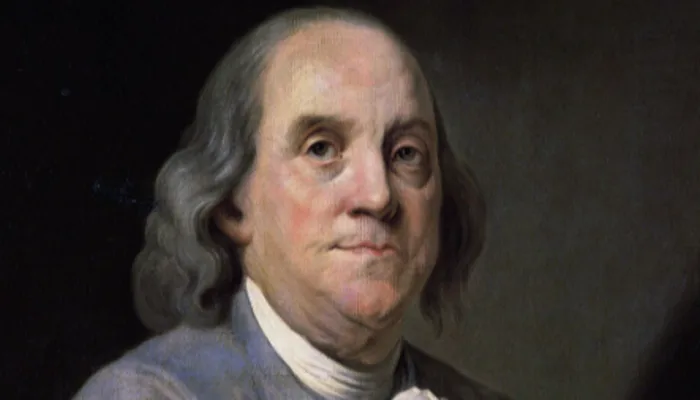
Ben Franklin understood this better than almost anyone. As a printer, publisher, and one of the Founding Fathers, he lived the intersection of a free press and a free society before either concept had a formal name. His career was a working argument that information and liberty are inseparable.
Read more Trump Pressed Musk to Restore Starlink Speed for Ukraine →
The connection between press freedom and the July 4th spirit isn't just historical trivia. It's a live debate right now. Who controls the narrative? Who gets to publish? Who decides what's true? Franklin wrestled with those questions in colonial taverns and print shops. You're wrestling with them on your timeline every single day.
What makes this worth your attention on a holiday weekend is simple: the rights that underpin a free press are the same rights that protect every other freedom on the list. Pull one thread and the whole thing moves. Franklin knew that. The Founders built it into the First Amendment for a reason.
This Fourth, between the hot dogs and the fireworks, it's worth a few minutes to think about what you actually want defended — and why a guy with a printing press in 18th-century Philadelphia still matters to the argument. Continue reading at newsbusters (jeffrey lord).