Gulf Nations Won't Play Ball on Strait of Hormuz Toll Plan
Industry sources say Gulf states are unlikely to accept any fee scheme for Strait of Hormuz passage. Here's what that means for oil markets.
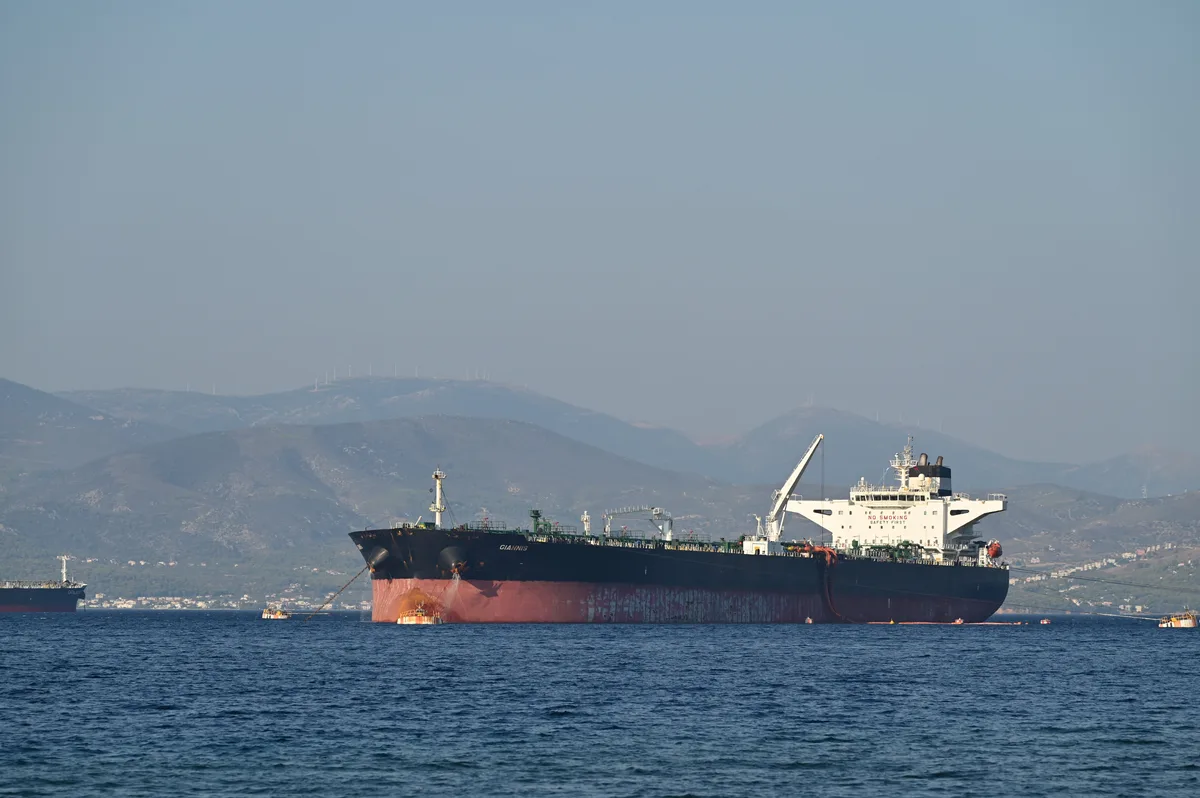
Forget the toll idea. According to CNBC's Brian Sullivan, Gulf nations aren't buying into any fee or safe-passage charge for the Strait of Hormuz — and they're not likely to any time soon. Sullivan's sourcing comes from direct conversations with people close to the region, not speculation.
The Strait of Hormuz is the single most important chokepoint in global energy. About 20% of the world's oil flows through that narrow strip of water between Iran and Oman. Any disruption — real or perceived — sends crude prices swinging. A toll scheme would have added a new layer of geopolitical complexity to an already tense corridor.
Read more Salesforce Stock Surges 12% on AI Gains and Anthropic Bet →
The reluctance from Gulf states isn't surprising if you think about it. These nations have spent decades positioning themselves as reliable energy suppliers. Agreeing to a toll framework could signal weakness, invite legal challenges, or provoke Iran further — none of which is in their interest. Staying out of it is the safest play for them politically and economically.
For traders, this matters. If a formalized passage arrangement isn't coming, the risk premium baked into oil prices around Hormuz tensions stays fluid and unpredictable. You don't get a structured framework to hedge against — you get the same geopolitical noise you've always had. Stay alert to any escalation headlines out of the Gulf; they'll move the tape fast.
Continue reading at US Top News and Analysis.