Houthis Tighten Grip on Red Sea, Sending Oil Prices Higher
The Saudi East-West pipeline is offline and the Bab al-Mandeb Strait is under Houthi pressure, rattling global oil markets.
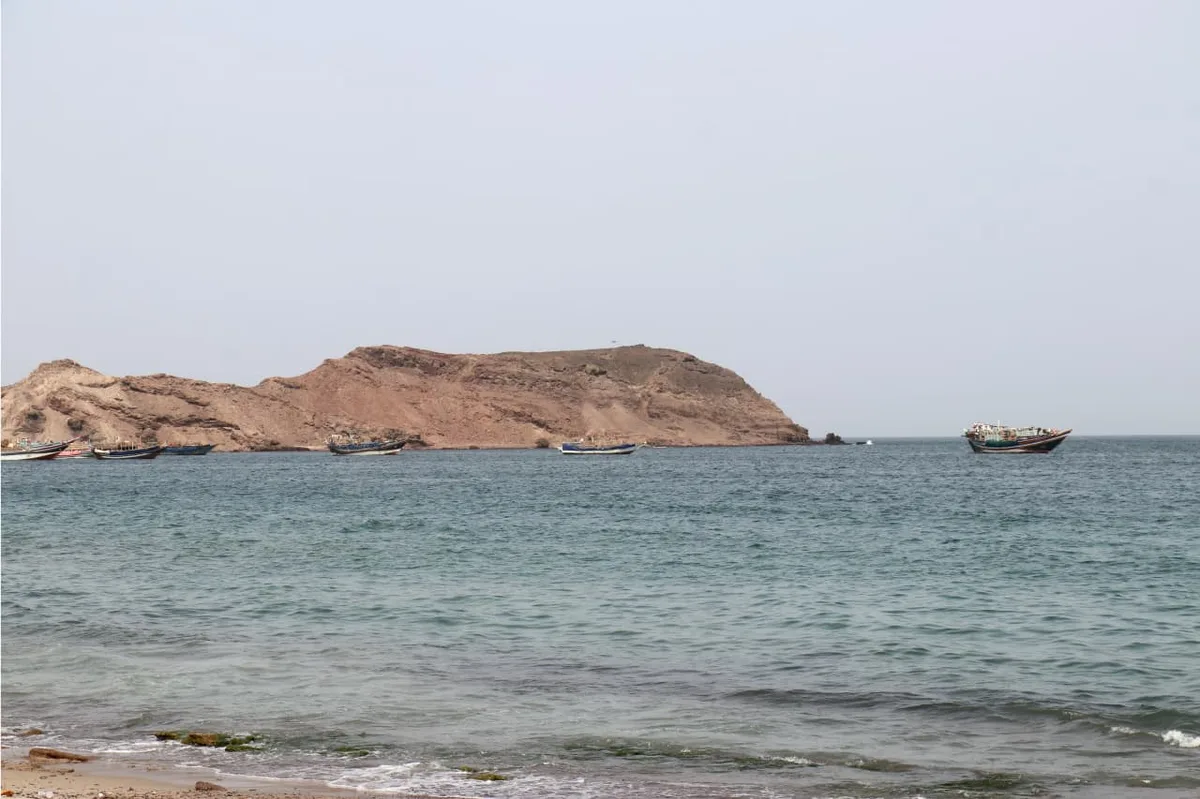
The Red Sea just got a lot more dangerous for oil traders. Houthi forces have effectively seized control of the Bab al-Mandeb Strait, one of the world's most critical energy chokepoints, and the pressure is already showing up at the pump and in crude prices. When roughly 6% of global oil trade flows through a single narrow waterway, any disruption is a market event you can't ignore.
Making things worse, the Saudi East-West pipeline — a key artery that moves crude from the kingdom's eastern oil fields to Red Sea export terminals — has been shut down. That's a double hit. Saudi Arabia loses a crucial export route, and global supply chains get another reason to panic. Traders are now pricing in a risk premium that wasn't there a week ago.
Read more Alibaba's $10.2 Billion AI Gamble: What BABA Traders Need to Know →
The Bab al-Mandeb Strait connects the Red Sea to the Gulf of Aden, and losing even partial control of it means tankers face longer, costlier reroutes around the southern tip of Africa. That adds time, fuel, and freight costs to every barrel headed toward Europe and Asia. Shipping insurers are already raising eyebrows, and some vessels are reportedly reconsidering their routes entirely.
For retail traders watching energy markets, this is the kind of geopolitical shock that can spike crude in a single session. The Houthis have demonstrated they can punch well above their weight in terms of market impact. Whether this escalates further or gets contained diplomatically, the near-term trade is clear: energy volatility is back, and it's priced to move. Keep your eye on WTI and Brent futures for confirmation.
Continue reading at MarketWatch.com