Iran War Energy Shock Pushes Gas and Diesel Prices Higher
Fuel prices are climbing as the Iran conflict rattles energy markets, and a new market asymmetry means relief won't come fast even if fighting stops.
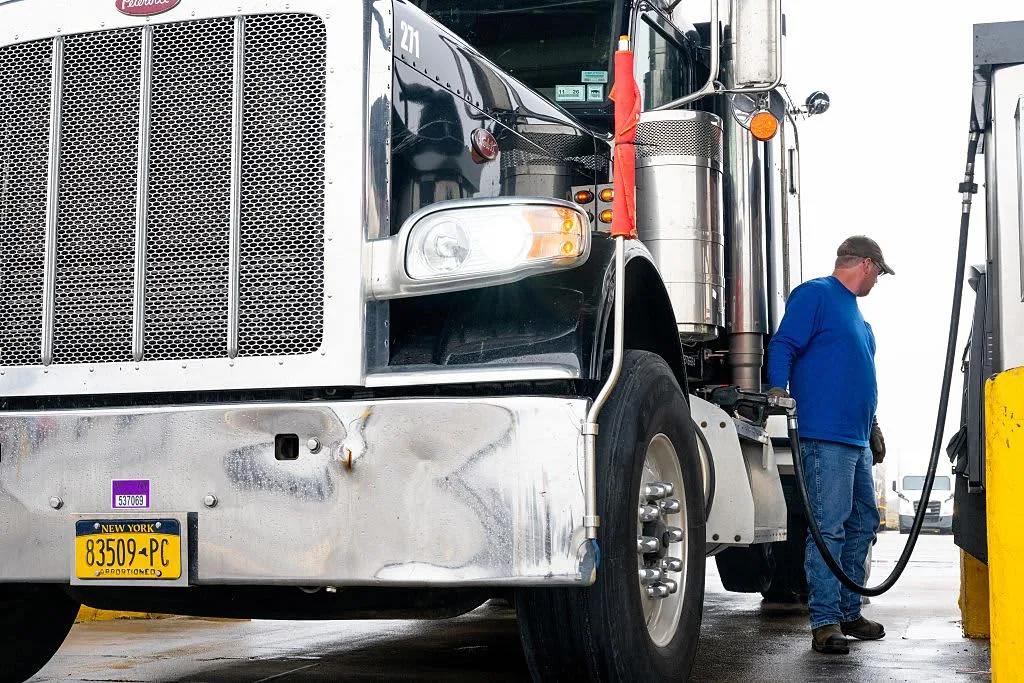
Gas and diesel prices are heading up, and if you're waiting for a quick reversal once the Iran war cools down, don't hold your breath. A structural shift in energy markets means the old playbook — conflict ends, prices drop — no longer applies the way it used to.
The Strait of Hormuz is the pressure point here. A massive share of global oil flows through that narrow chokepoint, and any disruption — real or anticipated — sends traders scrambling. When fear enters the oil market, it gets priced in fast. When the fear fades, the price relief is slower and messier.
Read more Housing Costs Are the No. 1 Issue for Young Voters, CNBC Finds →
That asymmetry is the key word. Markets reprice upward on war risk almost instantly, but they don't unwind those gains at the same speed. Supply chains, refinery schedules, and futures positioning all create friction on the way back down. For everyday drivers and businesses running diesel fleets, that means the pain at the pump could linger well past any ceasefire.
For the broader U.S. economy, rising fuel costs act like a stealth tax. They squeeze consumer spending, inflate shipping costs, and feed into the prices of practically everything that moves on a truck. At a moment when inflation is already a live political issue, an energy shock layered on top is exactly the kind of compounding risk that keeps economists and policymakers up at night.
Bottom line: don't expect a V-shaped recovery in fuel prices. The market is wired to spike fast and heal slow. Trade and plan accordingly. Continue reading at US Top News and Analysis.