IRS Tax Liens Are Rising — Here's Why You Should Worry
Federal tax liens are climbing fast and can crush your credit, cost you a job, and follow you everywhere. Here's what you need to know.
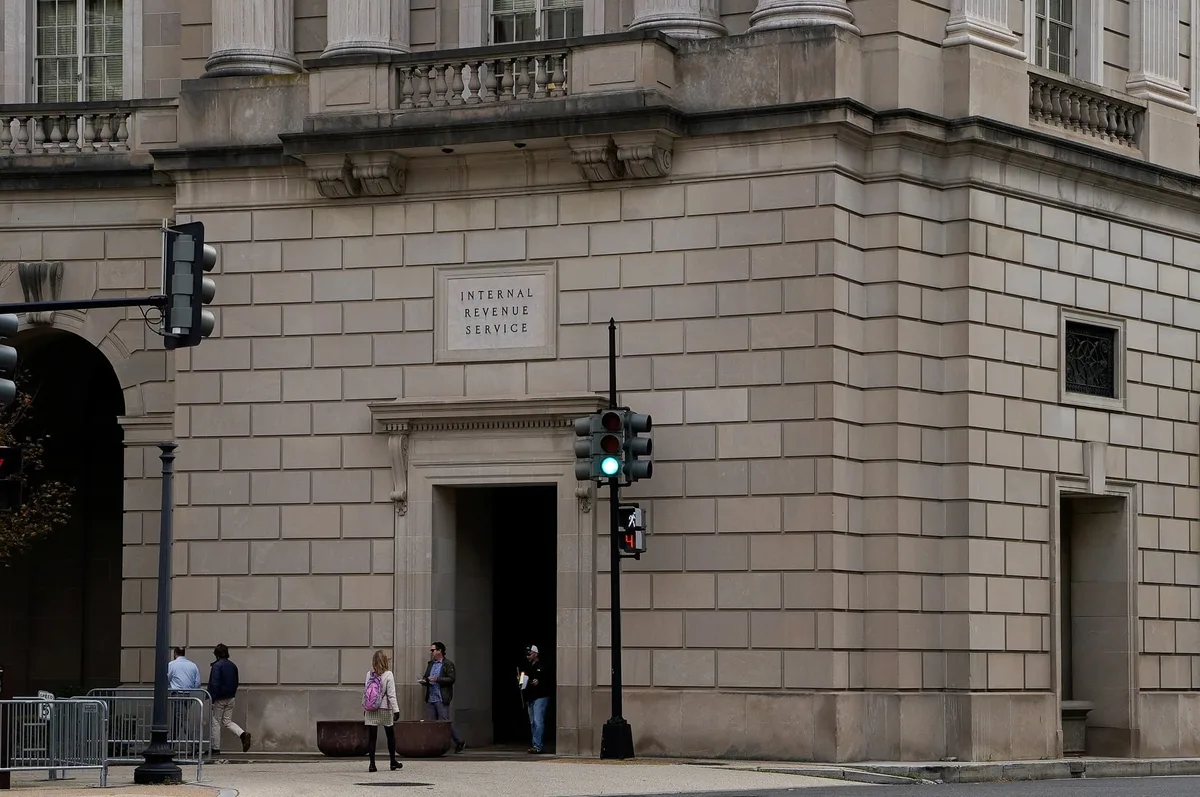
If the IRS files a tax lien against you, it's not just a bureaucratic headache — it can torpedo your financial life. Consumer advocates are calling it a 'kiss of death,' and the numbers are heading in the wrong direction. These liens are on the rise, and most people don't see them coming until the damage is already done.
A federal tax lien is the government's legal claim against your assets when you owe back taxes and haven't paid up. Once it's filed, it becomes part of the public record. That means lenders see it, employers see it, and your credit score takes a direct hit. Trying to buy a house or refinance? Good luck. A lien signals to every creditor that the federal government gets paid before they do.
Read more Americans Set $1.2M Retirement Goal but Few Expect to Hit It →
The employment angle is one that flies under the radar. Certain industries — finance, government contracting, security — run background checks that surface tax liens instantly. A lien can get you passed over for a promotion or flat-out disqualify you from a job offer before you even get to interview. That's a real-world consequence that goes way beyond a bad credit score.
The smart move is to get ahead of this before the IRS files. If you owe back taxes, there are options — installment agreements, offers in compromise, currently-not-collectible status. None of them are perfect, but all of them beat having a lien stamped on your public record. The IRS doesn't file a lien the second you miss a payment, but once it does, unwinding the damage takes serious time and effort.
Bottom line: rising IRS tax liens aren't just a statistic. They're a direct threat to your credit access and your career. Don't wait for the notice to hit your mailbox. Continue reading at US Top News and Analysis.