Markets Misread Warsh: A Rate Hike May Be Coming Soon
Wall Street took Warsh's presser as dovish, but his own prepared words tell a different story — one that points toward a rate hike.
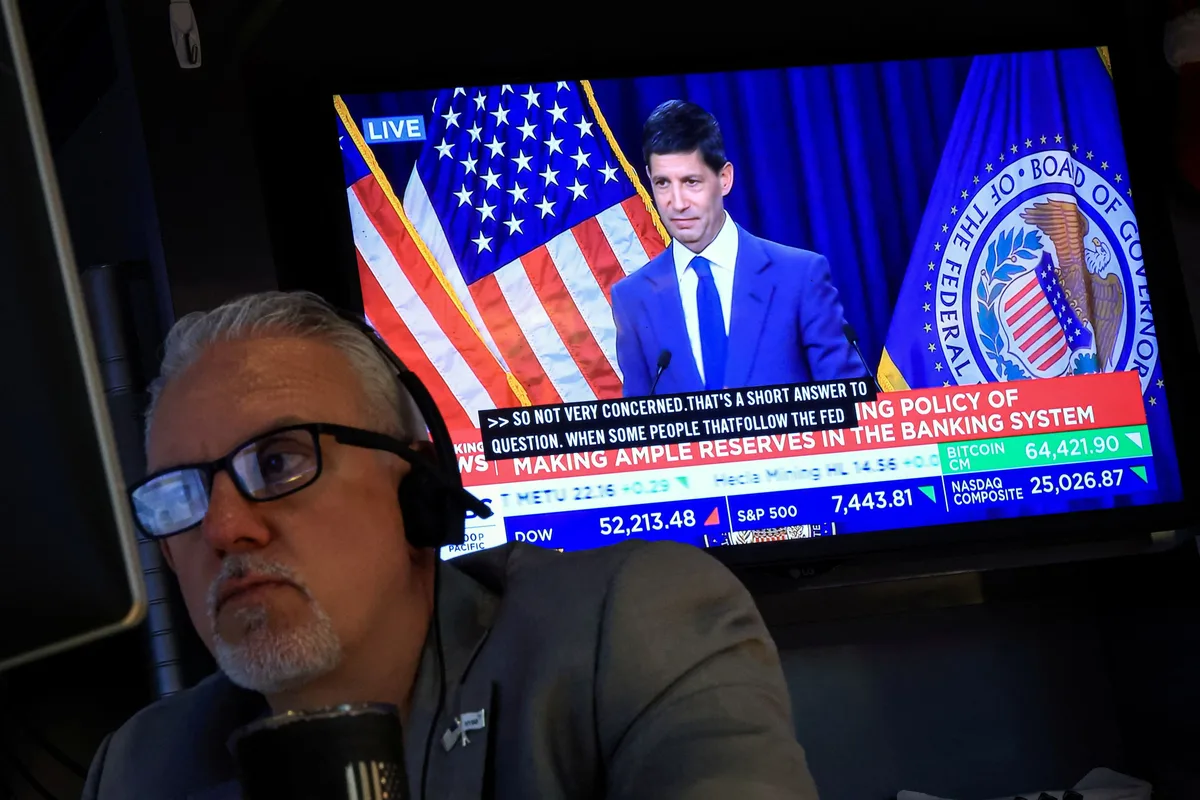
The market heard what it wanted to hear. After Fed Chair Kevin Warsh stepped away from the podium, traders bid up risk assets and breathed a collective sigh of relief — reading his tone as dovish, accommodative, no rush to tighten. That read may be dead wrong.
A tighter look at Warsh's prepared remarks — not the Q&A banter, but the scripted language he chose deliberately — paints a more hawkish picture. Word choice at the Fed is never accidental. When a chair writes something down, it means something. And what Warsh wrote suggests he could be closer to pulling the rate-hike trigger than the market is pricing in.
Read more Eaton Shares Rally as AI Infrastructure Demand Stays Strong →
This is the classic Fed communication trap. Press conferences are messy, conversational, easy to spin. Prepared statements are policy signals. Traders who key off tone instead of text get caught offside — and right now, a lot of portfolios may be positioned for a Fed that doesn't exist.
The divergence between market interpretation and Fed language is itself a tradeable setup. If Warsh follows his written script rather than the dovish narrative Wall Street constructed, a repricing in rate-sensitive assets — bonds, rate futures, growth equities — could hit fast and hard. You don't want to be the last one holding the wrong side of that trade.
Bottom line: don't trust the vibe, trust the text. The Fed chair's own words deserve a second read before you commit to a direction. Continue reading at US Top News and Analysis.