NATO Defense Spending Pledges Face a Hard Trump Reality Check
European allies are under pressure to convert defense spending promises into real military capability as Washington demands more burden-sharing.
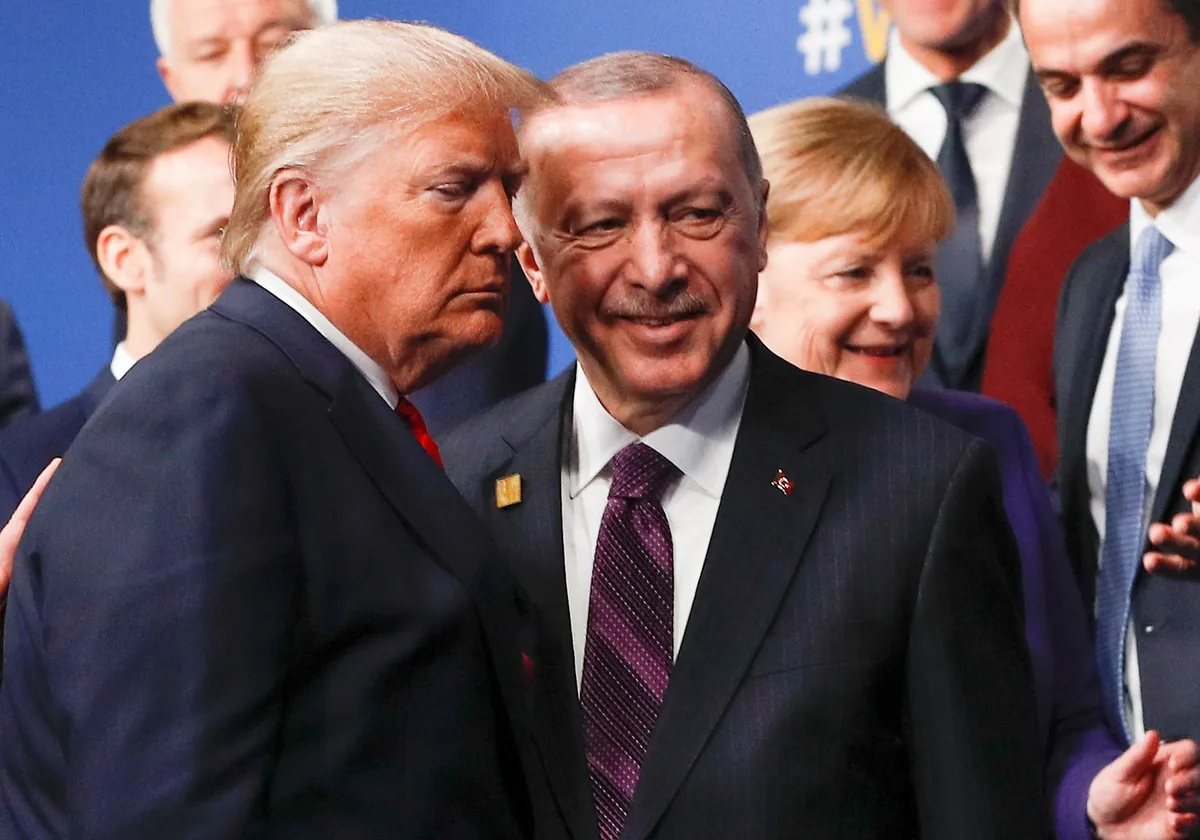
NATO is entering a new phase — call it NATO 3.0 — and the stakes couldn't be higher. European leaders are gathering with one central question hanging over the room: can they actually turn bigger defense budgets into genuine military muscle? Promises are easy. Tanks, jets, and trained soldiers are not.
Washington isn't interested in spreadsheets anymore. The Trump administration wants results. The pressure on allies to shoulder a larger share of collective defense has moved from diplomatic nudge to full-on demand. If Europe can't demonstrate it's converting cash into capability, expect the transatlantic relationship to get even more uncomfortable.
Read more South Korea May Crack Down on Polymarket for Gambling →
The core tension here is real. Many NATO members have spent years falling short of the alliance's 2% GDP defense spending target. Now the bar is moving higher, and the scrutiny is sharper. Announcing budget increases is one thing — actually building combat-ready forces is a completely different challenge, one that takes years of procurement, training, and institutional change.
For traders and investors watching defense sector stocks, this dynamic matters. Political will to spend is translating into long-term contracts for defense contractors on both sides of the Atlantic. But delivery timelines and procurement bottlenecks are the variables that separate winners from laggards in this space.
The pressure from Washington isn't going away — if anything, it's the new baseline for how NATO operates going forward. Europe's credibility inside the alliance now depends on execution, not just commitments. Continue reading at US Top News and Analysis.