New Zealand Retail Sales Slump in June 2026 Data
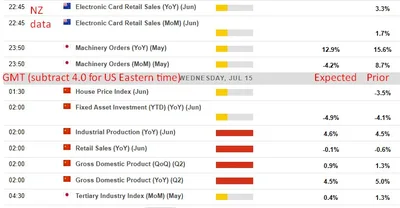
NZ retail sales dropped 1.4% month-on-month in June, a sharp reversal from the prior 1.7% gain and a warning sign for NZD bulls.

New Zealand's retail sector just handed traders a cold bucket of water. June 2026 data shows a 1.4% month-on-month decline in retail sales — a brutal swing from the prior reading of positive 1.7%. That's a 3.1 percentage point reversal in a single month, and you don't ignore that.
The year-on-year picture isn't much prettier. Annual growth came in at just 1.3%, more than halved from the previous 3.3% reading. That kind of deceleration tells you the New Zealand consumer is pulling back, and pulling back fast. It's not a one-month blip when the trend line is dropping this sharply.
Read more NY Empire State Manufacturing Blows Past Estimates in July →
For NZD traders, this is the kind of print that keeps the Reserve Bank of New Zealand in play on the dovish side. Weak consumer spending undercuts inflation pressures, and that gives the RBNZ more room — and more reason — to cut rates or hold them lower for longer. Watch NZD/USD for immediate reaction and keep your eyes on any RBNZ commentary that follows.
Bottom line: New Zealand's domestic economy is showing cracks. If you're long NZD, this data is not your friend. If you're positioned for further weakness in the kiwi, today's retail numbers just gave you fresh ammunition. Continue reading at Forexlive.