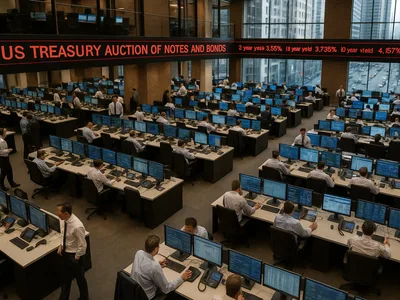
Prediction Markets Raise Insider Trading Red Flags at Wall Street Firms
Companies are scrambling to address employee trading on prediction markets. Most have no clear policy yet.
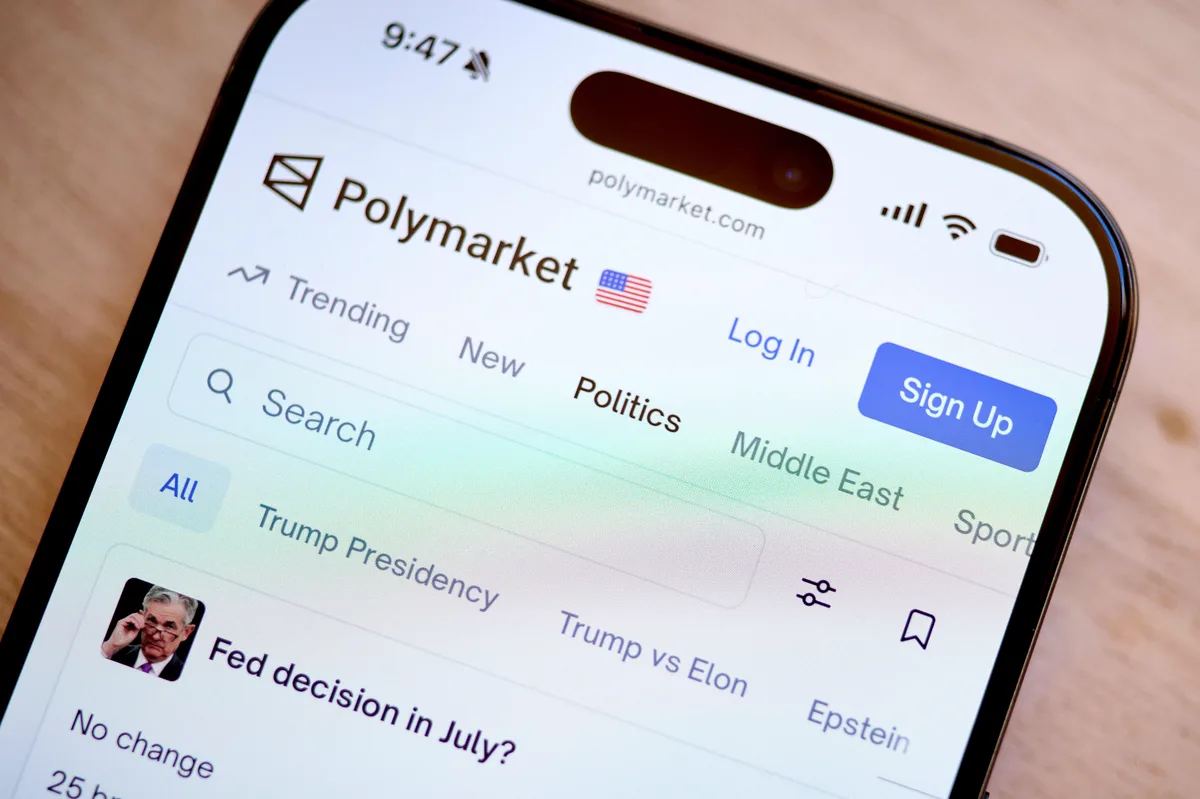
Prediction markets are booming, and that's creating a serious compliance headache for corporate America. When employees can bet real money on outcomes — earnings, mergers, economic data — using information their colleagues don't have, you've got a textbook insider trading problem waiting to happen. Regulators are paying attention, and firms better be too.
CNBC went straight to the source, pinging 50 companies to ask a simple question: what are your trading policies for employees on prediction markets? The response was telling. Only a handful could actually give an answer. That silence says everything about how unprepared most of corporate America is for this new reality.
Read more Renewable Energy Dominates New Grid Capacity at 90 Percent →
Goldman Sachs is among the firms that have started thinking through a response — but the broader picture is one of an industry caught flat-footed. Prediction markets have scaled fast, and internal compliance frameworks simply haven't kept up. If you're an employee at a major company, there's a decent chance your firm has no explicit rule covering whether you can trade these markets at all.
For retail traders watching from the outside, this is a signal worth tracking. Where there's an information edge and loose oversight, there's also the risk of a market that isn't as clean as it looks. Regulatory scrutiny on prediction markets is likely to intensify, and any crackdown could reshape how these platforms operate — and who gets to play on them.
The firms that move first to set clear, enforceable policies will be ahead of the curve. Everyone else is sitting on a compliance time bomb. Continue reading at US Top News and Analysis.