Regulators Race to Write Crypto Rules as Senate Bill Stalls
The Clarity Act hit a Senate wall, and now state and federal regulators are scrambling to fill the gap with their own crypto rules.
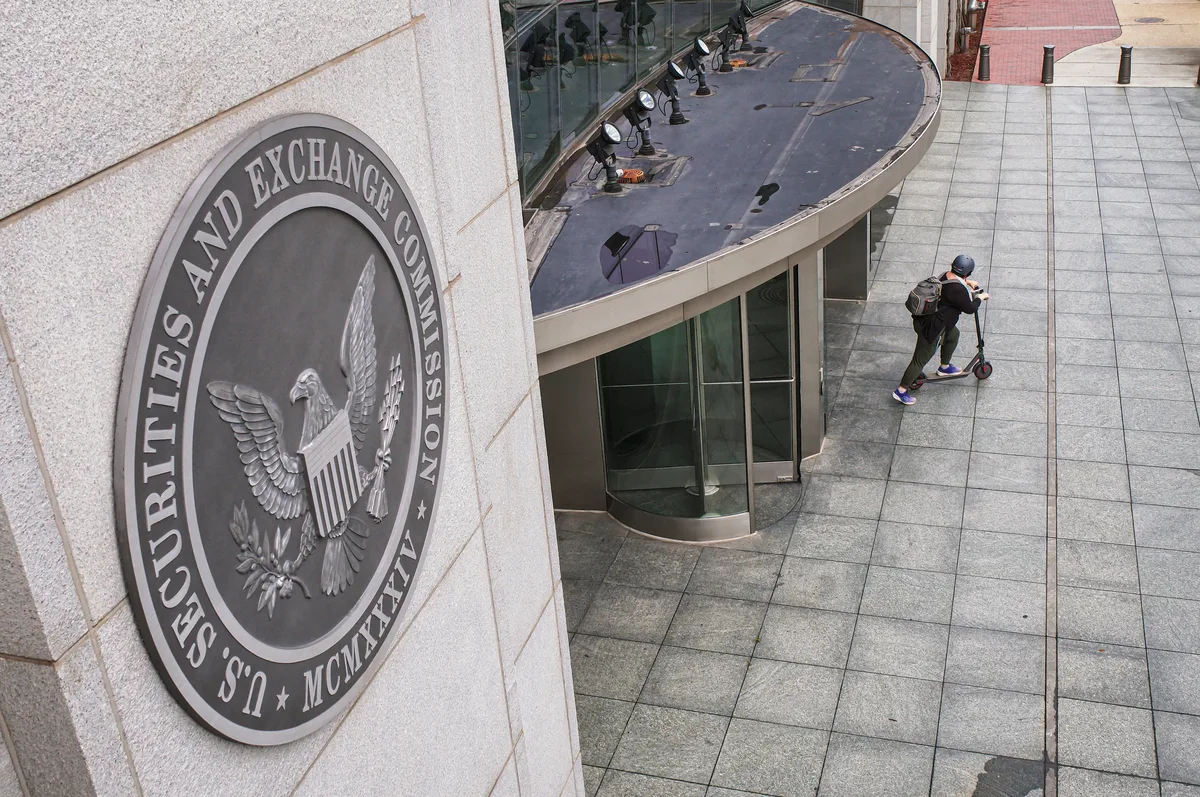
The window for clean, unified crypto regulation just slammed shut — at least for now. The Clarity Act, which was supposed to hand traders and projects a clear federal framework, couldn't get through the Senate, and the fallout is already moving fast.
State and federal regulators aren't waiting around. They're rushing to draft their own rules, which means the crypto landscape could soon look like a patchwork quilt depending on where you live or which agency decides to come after your exchange first. That's bad news if you hate uncertainty — and you should.
Read more Lawmakers Push SCOTUS to Rule on Kalshi Prediction Market Case →
Here's the tradeable reality: a fragmented regulatory environment creates uneven risk across platforms, tokens, and DeFi protocols. Some projects will thrive under looser state regimes. Others will get crushed by aggressive federal action. Knowing which regulator has jurisdiction over your favorite asset matters more now than it did last week.
Without a single federal standard, expect compliance costs to spike for crypto businesses operating across state lines. That pressure tends to consolidate markets — smaller players fold, bigger players absorb them. Watch the mid-cap exchange tokens and custody-focused names for early signals on who's positioned to survive the regulatory scramble.
This isn't over legislatively, but don't hold your breath for a Senate do-over anytime soon. The regulatory patchwork is the market you have right now. Trade accordingly. Continue reading at US Top News and Analysis.