Saudi Oil Exports Surge Through Med Pipeline, Bypassing Red Sea
Saudi Arabia is rerouting crude via Egypt's Mediterranean port as Red Sea attacks make traditional shipping routes too risky.
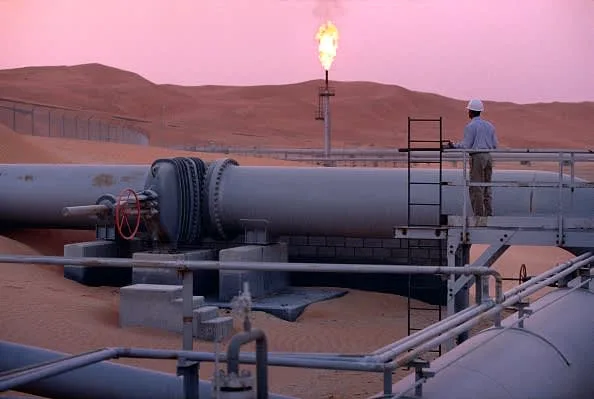
Saudi Arabia is quietly reshaping its oil export strategy, and the numbers tell the story. Shipments through Egypt's Mediterranean port of Sidi Kerir have more than doubled, with cargo tracking firm Kpler confirming the bulk of that crude is Saudi in origin. That's a major logistical pivot — and it's happening fast.
The driver is obvious: Houthi attacks in the Red Sea have made that corridor a liability. Rather than gamble on tankers threading a conflict zone, the Saudis are pushing oil overland through Egypt's Suez-Mediterranean pipeline — known as SUMED — and loading it at Sidi Kerir instead. Less exposure, more control.
Read more Bank of America Issues Stark Warning to Nvidia Investors →
For traders, this matters more than it might look at first glance. A sustained reroute through the Mediterranean changes freight dynamics, shifts loading schedules, and could tighten certain regional spreads. It also signals that Riyadh isn't betting on a quick Red Sea resolution — they're building around the problem, not waiting it out.
The broader implication is that Red Sea disruption is no longer just a shipping story. It's actively rewiring where barrels appear, how fast they move, and which ports are gaining strategic weight. Sidi Kerir just got a lot more important on the global crude map. Watch this route — it's not a one-off workaround, it looks like a new normal.
Continue reading at US Top News and Analysis