States Battle for Defense Jobs as Trump Boosts Military Budget
Trump's massive defense budget and weapons replenishment push have triggered an intense state-by-state scramble for contracts and jobs.
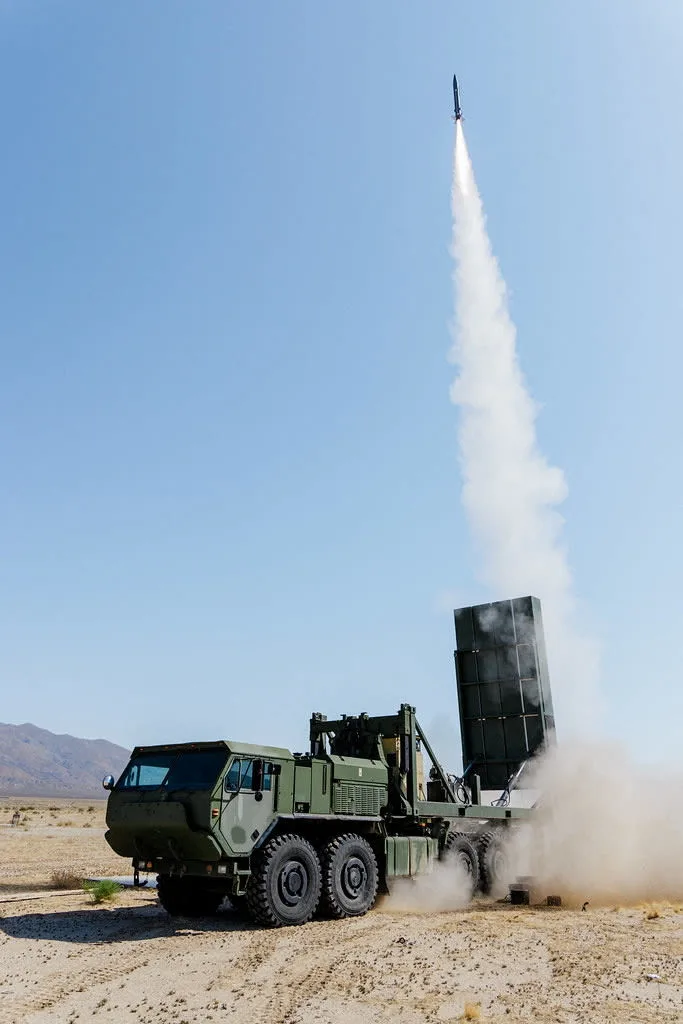
The money is moving, and states want in. Trump's sweeping defense budget request is setting off a fierce competition among U.S. states to land lucrative military contracts — and the jobs that come with them. This isn't a slow-burn trend. It's a full-on race.
The push to replenish depleted war stocks — drained by years of military aid and operational demands — is creating immediate procurement opportunities across the defense industrial base. Add hypersonic missile development to the mix, and you're looking at a generational reshaping of where America builds its weapons and who gets paid to build them.
Read more KKR Buys EDF's North American Power Unit for $4.2 Billion →
For states with existing defense infrastructure, this is a chance to double down. For others, it's an opening to recruit manufacturers, expand base footprints, and lock in high-wage skilled labor for decades. Governors and economic development offices are already angling hard for positioning, knowing that a single major contract can anchor an entire regional economy.
The tradeable angle here is straightforward: defense contractors with hypersonic programs, missile replenishment exposure, and deep government relationships are sitting in the sweet spot. The budget tailwind is real, and the political will to spend is clearly there — bipartisan pressure to rebuild depleted stockpiles gives this momentum staying power beyond any single administration.
This is a sector with long contract cycles, high barriers to entry, and now a direct government mandate to grow fast. If you're not watching the defense supply chain, you're missing the story. Continue reading at US Top News and Analysis.