Stock Futures Flat as Traders Watch for Fed Rate Signals
U.S. stock futures barely moved Sunday after a slow week. All eyes now shift to the Fed for clues on where rates are headed.
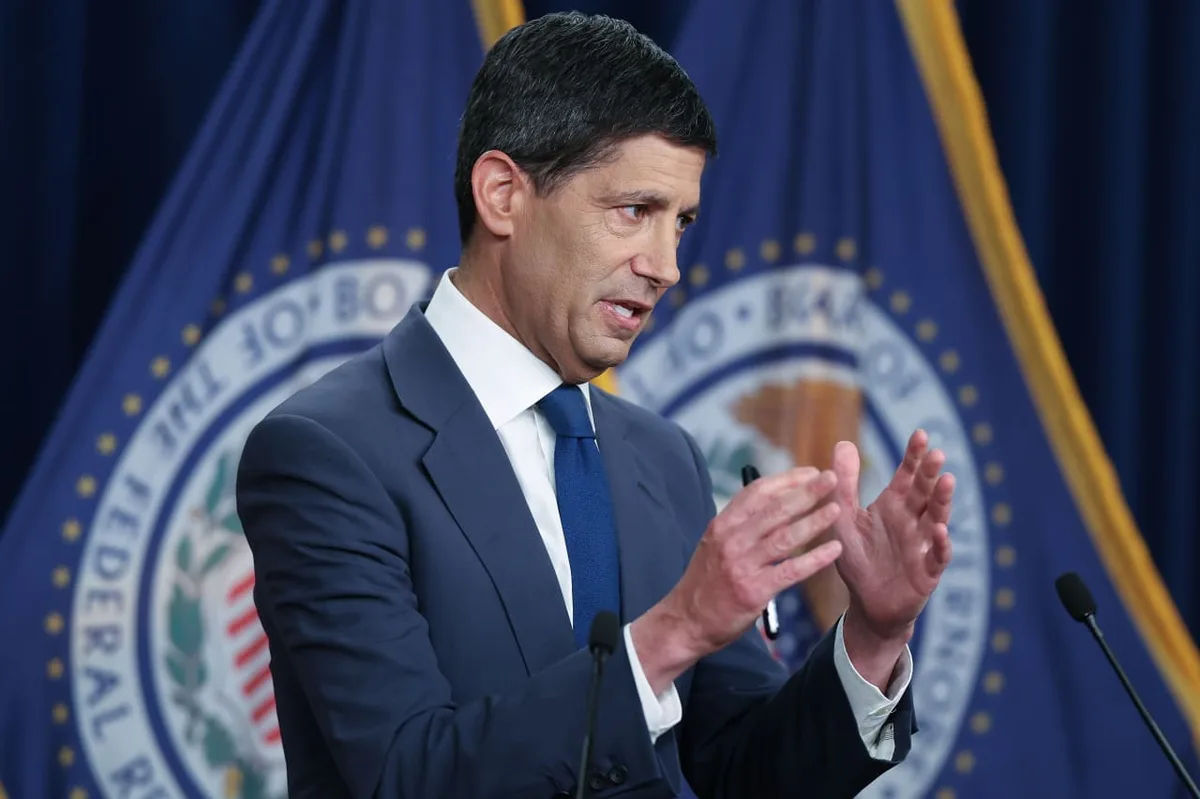
Futures on the major U.S. indexes are treading water this Sunday, and honestly, that tracks. Last week was quiet — no fireworks, no big catalyst — and the market is now in a holding pattern until the Federal Reserve gives traders something to work with on interest rates.
That waiting game is the real story right now. The Fed's next move could set the tone for equities for weeks. Higher-for-longer rates pressure valuations, especially in growth and tech. Any hint of a pivot, though, and bulls will come roaring back. Right now, nobody wants to make a big bet before they have more information.
Read more Monolithic Power Systems CFO Unloads 105 Shares for $141K →
Flat futures after a calm week isn't bearish or bullish on its own — it's indecision. The smart play is to watch Fed speakers closely and keep an eye on any economic data that could shift the rate outlook. Volatility is coiled, even if it doesn't look like it. One strong signal from the Fed could break this range fast.
Don't get lulled into complacency by the quiet tape. The market has a way of making big moves when everyone expects nothing to happen. Stay nimble, watch the Fed commentary, and don't overcommit until the picture clears.
Continue reading at MarketWatch.com