Tiny Electric LSVs Are Betting Americans Want Less Car
Low-speed electric vehicles sit between golf carts and real cars. A wave of startups thinks that's exactly where the market is headed.
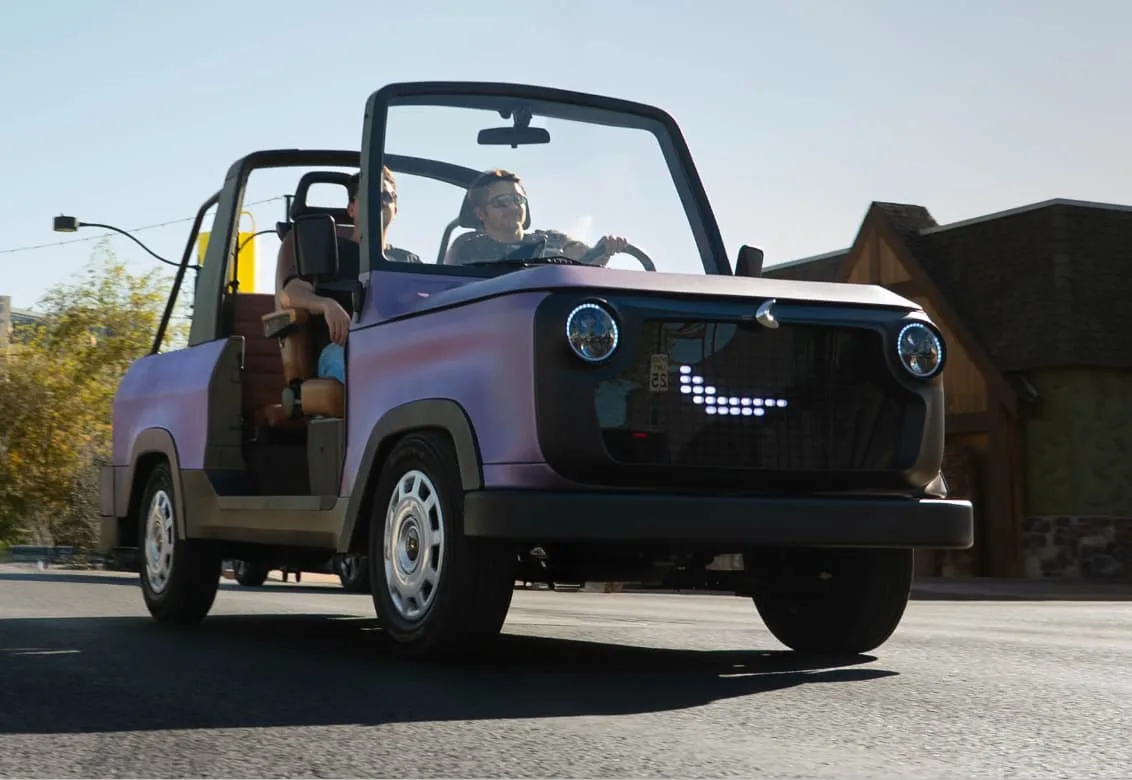
Forget the F-150. A growing number of companies are betting you don't actually need a full-sized vehicle for most of your daily driving — and they're building tiny electric low-speed vehicles, or LSVs, to prove it.
LSVs occupy a niche that's easy to underestimate. They're more capable than a golf cart, with enclosed cabins and road-legal status on many streets, but they stop well short of the power, speed, and price tag of a conventional car or truck sold in the U.S. That middle lane is exactly where these companies see opportunity.
Read more Why Airfare Is So Expensive and Won't Drop Anytime Soon →
The pitch to consumers is simple: most Americans drive short, predictable routes every day. If you're running errands across town or commuting a few miles to work, you're hauling around thousands of pounds of vehicle you don't need. An LSV does the job at a fraction of the cost and energy. That's a compelling value proposition when gas prices bite and EV sticker shock is still real.
The harder question is whether American car culture — built on horsepower, highway speeds, and the open road — has any room for something this small. Adoption is a cultural hurdle as much as a mechanical one. Still, if these companies can crack suburban and retirement-community markets where LSVs are already street-legal, they have a real foothold to build from.
The LSV segment is one to watch. It won't replace your primary vehicle tomorrow, but it could quietly become the second — or only — vehicle in a lot of driveways faster than the mainstream auto industry expects. Continue reading at US Top News and Analysis.