Trump Crypto Wealth Casts Shadow Over Conflict-of-Interest Bill
Lawmakers debating the Clarity Act face an awkward elephant in the room: the president's own crypto holdings.
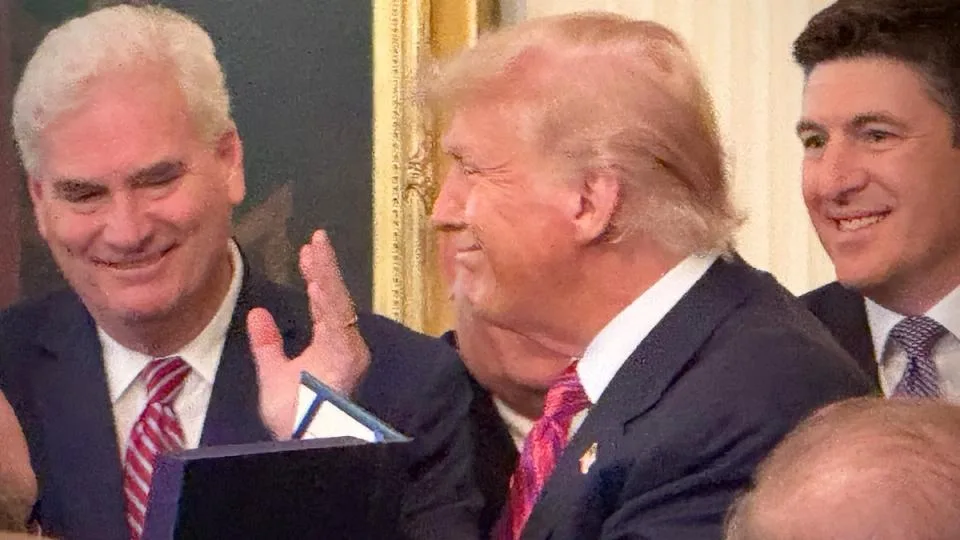
Congress is wrestling with the Clarity Act, a bill designed to draw cleaner lines around crypto-related conflicts of interest for U.S. officials — and the biggest conflict sitting in the room is the one nobody wants to name out loud. President Trump's crypto holdings have become impossible to ignore as legislators try to hash out rules that could, theoretically, apply to the very person signing any bill into law.
The tension here is real and tradeable. Any watered-down version of the Clarity Act signals that Washington is more interested in protecting incumbents than building a trustworthy regulatory framework for digital assets. That uncertainty is exactly the kind of headline risk that can whipsaw crypto prices on a slow news day.
Read more Bolivia Eyes Tether USDT Integration Into National Payments →
For retail traders, this is a classic Washington two-step: loud talk about ethics reform paired with quiet backroom carve-outs. If the final bill lands with soft enforcement mechanisms or wide exemptions for sitting officials, expect the crypto community — and crypto markets — to notice immediately.
The broader stakes go beyond one president's portfolio. A credible conflict-of-interest rule would boost institutional confidence in U.S. crypto markets by showing that policy isn't being written to benefit insiders. Kill that credibility, and you hand the skeptics fresh ammunition. Watch the Clarity Act's language closely — the details will tell you everything about whether this is real reform or political theater.
Continue reading at CoinDesk.