Trump Extends Jones Act Waiver to Protect US Oil Supply
Trump renews a shipping law waiver to keep domestic oil moving as Hormuz deal talks stall and supply risks mount.
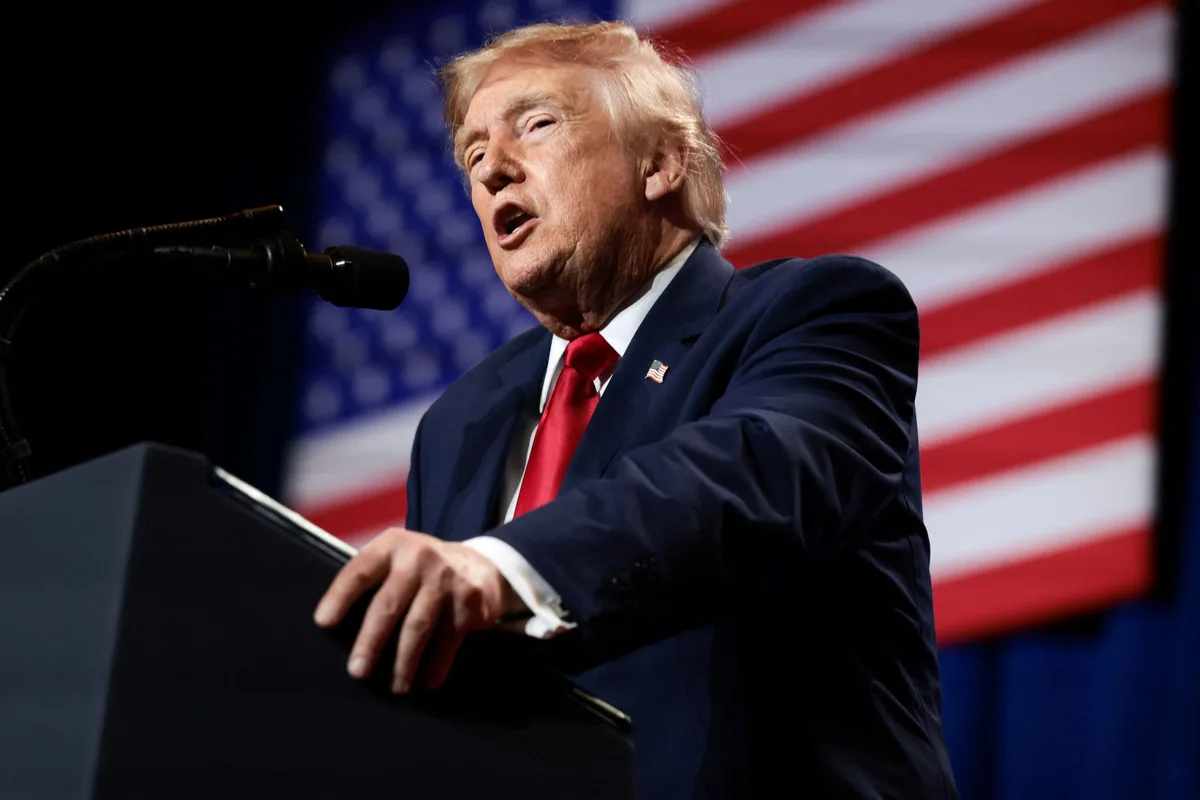
The Trump administration just blinked on shipping rules — and the oil market should pay attention. A Jones Act waiver extension is now in play, keeping crude flowing domestically at a moment when global supply routes look anything but secure.
The Jones Act, for the uninitiated, normally requires that goods shipped between US ports travel on American-built, American-crewed vessels. Waivers are rare, and when they get granted — or extended — it signals Washington sees a real supply crunch coming. That's the situation right now.
Read more Dow Futures React to Trump Hormuz Claim; Rocket Lab Drops on Earnings →
The trigger? Talks aimed at reopening the Strait of Hormuz, one of the world's most critical oil chokepoints, have reportedly hit a wall. The Trump administration had been signaling progress on a deal, but those signs haven't materialized into anything concrete. Without a resolution, the pressure to keep domestic logistics running smoothly only grows.
For traders, this is a two-sided setup. A Jones Act waiver loosens constraints on moving oil between US ports, which can cap regional price spikes and ease refinery supply stress. But the bigger signal here is that the White House clearly isn't confident the Hormuz situation resolves quickly — otherwise, why extend the waiver at all? That's a bearish headline for geopolitical stability and a potential tailwind for energy prices if the strait situation deteriorates further.
Watch the Hormuz headlines closely. If a deal does emerge, expect the waiver narrative to fade fast. If it doesn't, this story gets a lot bigger. Continue reading at US Top News and Analysis.