Trump Won't Sign Housing Bill, Letting It Become Law Anyway
Trump says he'll skip signing the bipartisan housing bill, meaning it passes into law automatically without his endorsement.
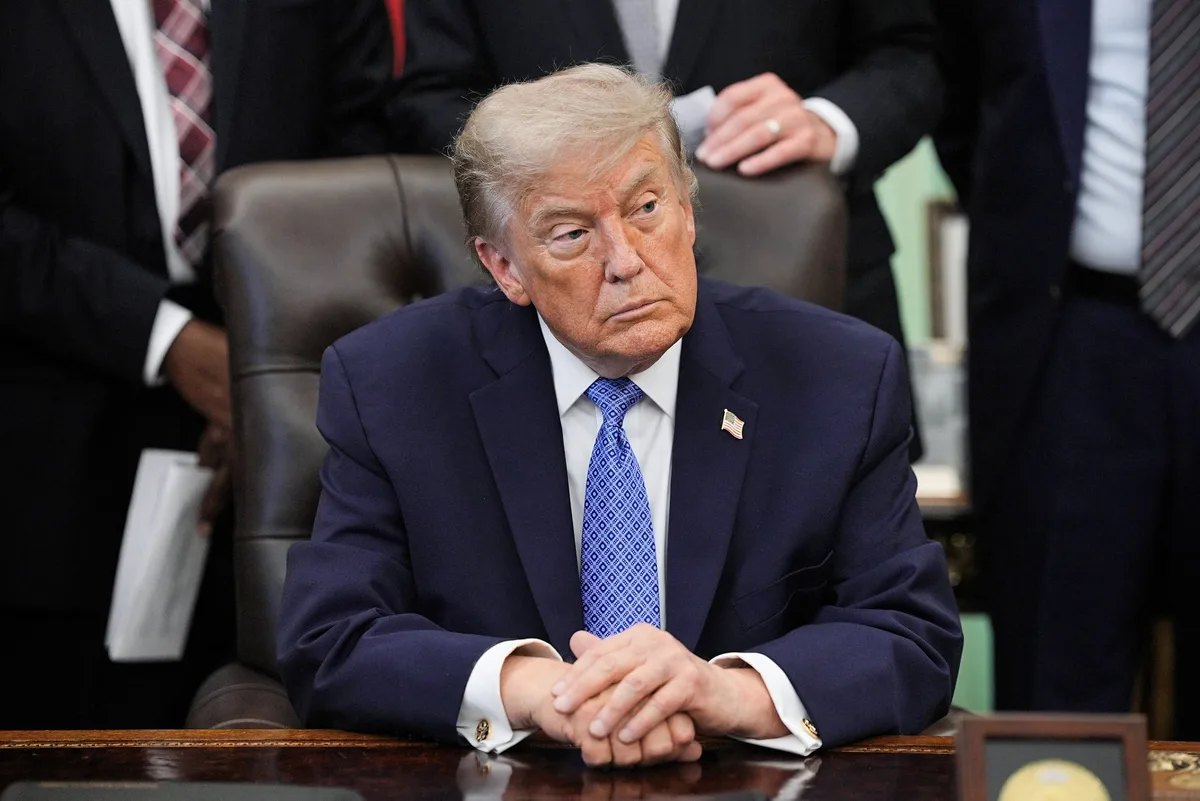
Trump is taking a pass on the housing bill — literally. The president announced he won't sign the legislation, which means it becomes law automatically without his signature. It's a passive move that signals displeasure without actually killing the bill.
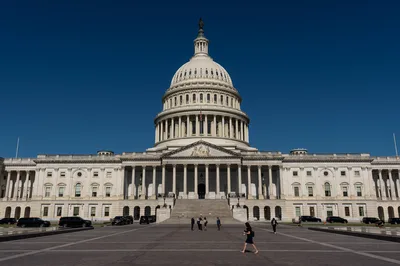
Congress pushed this one through in June with serious bipartisan muscle behind it. Lawmakers on both sides of the aisle backed the measure, driven by real voter pain: home prices keep climbing and institutional investors have been scooping up properties, squeezing out everyday buyers.
Read more Commerce Dept Greenlights UAE Exports Tied to Trump Family Stablecoin →
When a president refuses to sign but also doesn't veto, the Constitution lets the bill become law on its own after a set period. Trump's choice here is a political middle lane — he avoids owning the legislation while also avoiding the political blowback of killing a popular housing bill.
For traders and investors watching real estate plays, this matters. The bill now moves toward becoming law despite White House ambivalence. Watch housing stocks, homebuilder ETFs, and anything tied to institutional real estate portfolios for potential volatility as the market digests what the new rules actually mean.
Continue reading at US Top News and Analysis