US and Allies Push to Cut China's Hold on Critical Minerals
Washington and key partners are moving to diversify AI supply chains away from Chinese-controlled rare earths and critical minerals.
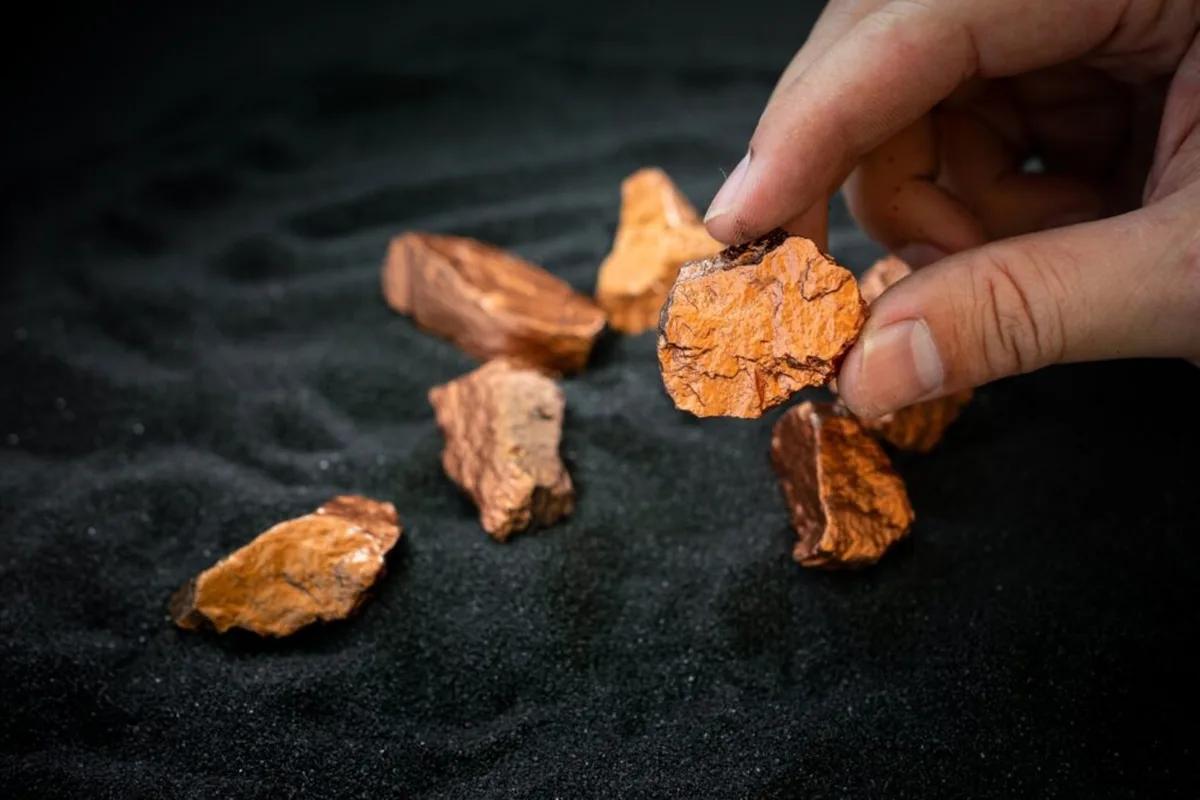
China controls a massive share of the world's rare earth processing, and that's a problem for every AI chip, EV battery, and defense system the West wants to build. The US and its allies are finally getting serious about breaking that grip, taking coordinated new steps to shore up alternative supply chains for critical minerals.
This isn't just geopolitics — it's a direct threat to your portfolio if you're long AI infrastructure plays without thinking about where the raw materials come from. No neodymium, no magnets. No magnets, no motors. No cobalt, no batteries. The dependency runs deep, and markets have been slow to price in the supply-chain risk sitting underneath the AI boom.
Read more Iran's World Cup Hopes Hang After Disallowed Goal vs Egypt →
The coordinated allied push signals something bigger than a single policy move. When multiple governments align on resource security, mining and processing companies outside China's orbit tend to get a long look from both government contracts and institutional investors. Junior miners, rare earth refiners, and domestic processing infrastructure could all see renewed interest as this strategy takes shape.
For traders, the tradeable angle is clear: watch companies positioned in North American and Australian rare earth extraction and processing. Any formal agreements, offtake deals, or government funding announcements tied to this initiative could act as near-term catalysts. The macro trend is real — de-risking critical mineral supply chains is now a priority, not a talking point.
Continue reading at Benzinga