US and Iran Exchange Strikes in Strait of Hormuz Standoff
Washington and Tehran traded missiles and drones in a dangerous escalation over control of the critical Strait of Hormuz.
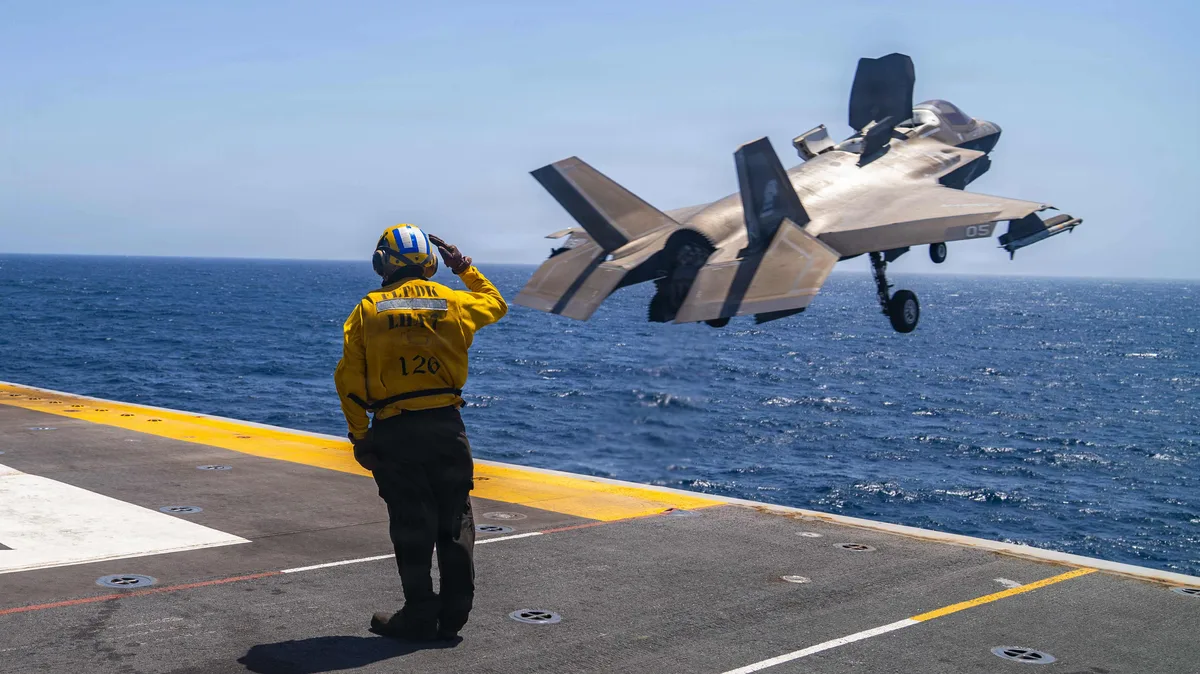
The Middle East just got a lot hotter. The US and Iran swapped missile and drone strikes in a fresh round of direct military confrontation, with both sides making conflicting claims about what actually happened in and around the Strait of Hormuz. When two nuclear-adjacent powers start trading live fire, you pay attention.
The Strait of Hormuz is not just a geographic footnote — it's the jugular vein of global oil supply. About 20% of the world's petroleum passes through that narrow chokepoint. Any serious disruption there sends energy prices spiraling, and energy prices touch everything in your portfolio from gas stocks to airline earnings to consumer spending data.
Read more Cybersecurity Stocks Surge After IBM CEO Flags AI Spending Shift →
Both governments are telling different stories about who struck first and what was hit. That fog of conflicting narratives is itself a market risk. Uncertainty is the enemy of calm trading sessions, and this kind of standoff has a way of escalating before anyone pumps the brakes. Watch crude futures, defense names, and safe-haven assets like gold and Treasuries for the immediate market reaction.
This isn't the first time US-Iran tensions have spiked over Hormuz, but direct exchanges of airstrikes mark a serious notch up from the proxy skirmishes and tanker harassment the region has seen before. The tradeable question right now is whether this stays contained or becomes the catalyst that reshapes energy markets for the rest of the year. Position accordingly — and stay glued to the headlines.
Continue reading at US Top News and Analysis