US Seals Nuclear Power Deal With Saudi Arabia
Washington and Riyadh have signed a civilian nuclear cooperation agreement, a move that triggers mandatory Congressional review under federal law.
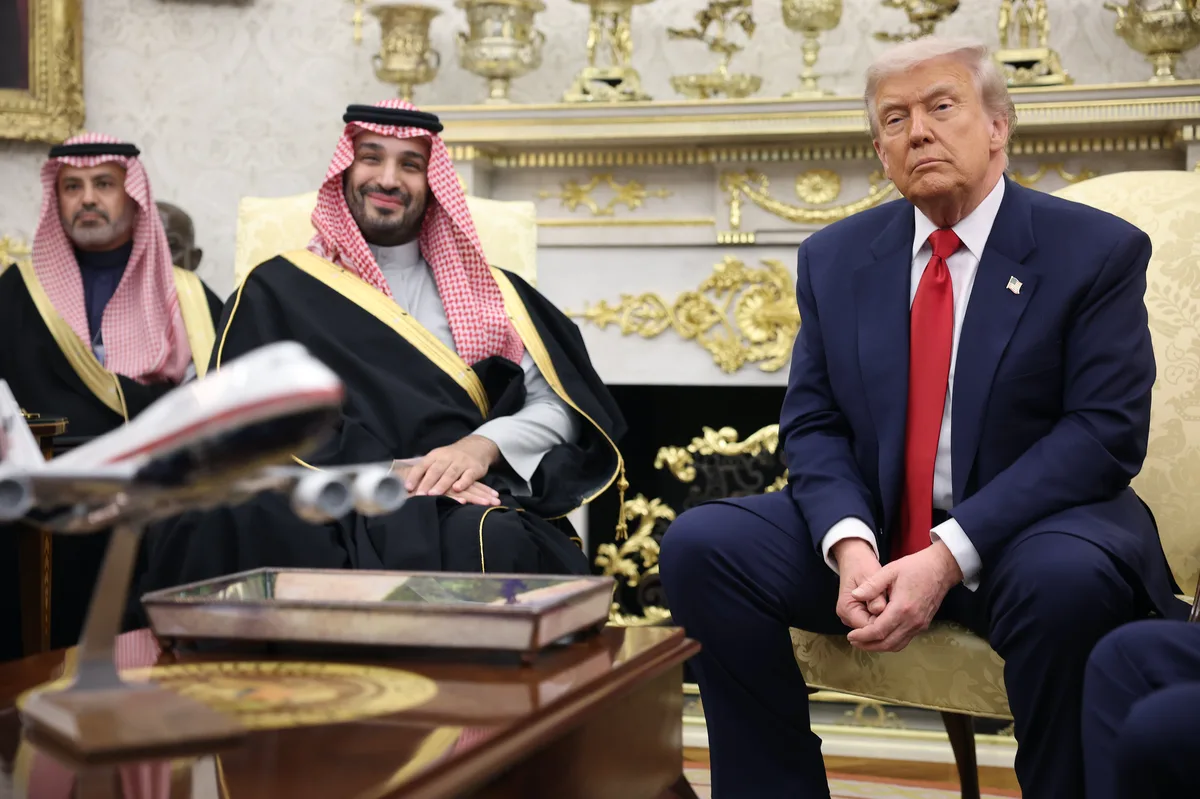
The United States has signed a nuclear power agreement with Saudi Arabia, a deal that carries serious geopolitical weight and puts Congress squarely in the mix. Under the Atomic Energy Act, any U.S. cooperation with a foreign nation on civilian nuclear energy must go through a Congressional review process — so this isn't a done deal just yet.
For traders and market watchers, this is the kind of story that ripples across energy, defense, and uranium sectors simultaneously. A formalized nuclear partnership with one of the world's most powerful oil producers signals a strategic pivot worth tracking closely. Saudi Arabia has made no secret of its ambitions to diversify its energy base, and U.S. involvement in that buildout is a significant geopolitical development.
Read more Secret Service Warns Threat Level Is at All-Time High in 2025 →
The Atomic Energy Act review requirement exists as a safeguard, ensuring lawmakers can scrutinize the terms before any sensitive nuclear technology or knowledge crosses borders. These agreements — sometimes called "123 agreements" after the relevant section of the Act — can be politically contentious, especially in a region as volatile as the Middle East.
Watch this space. Congressional pushback is possible, and the outcome of that review process could reshape the scope of what the two countries actually end up doing together. The uranium and nuclear energy plays on the market may already be moving in anticipation.
Continue reading at US Top News and Analysis