Who Qualifies for the IRS Gas Tax Break and How to Max It
Gas prices may hit $4 again soon. Here's who can claim the IRS fuel tax break and how to squeeze out every dollar.
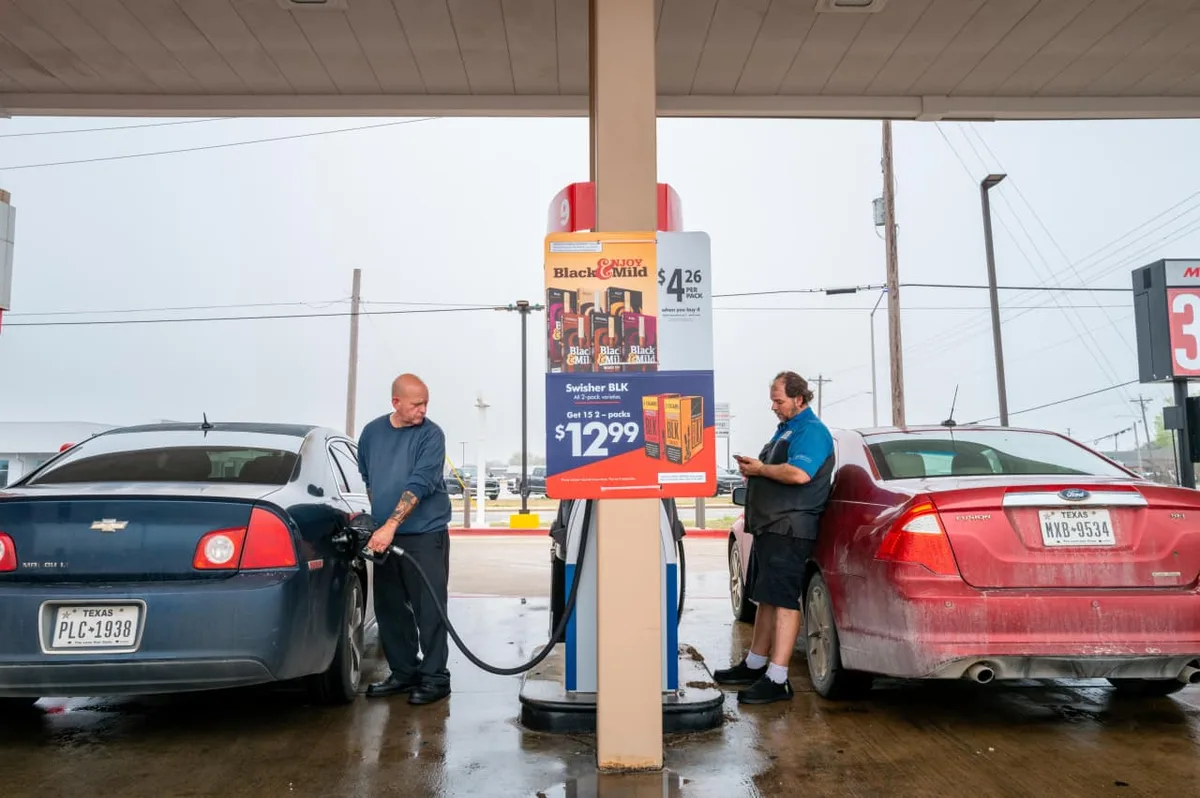
Gas prices are creeping back toward dangerous territory. Some fuel-industry experts are warning that $4-a-gallon gas could be back on the table soon — and if that hits your wallet hard, you need to know whether the IRS has a break waiting for you.
Not everyone qualifies for the bigger deduction on gas costs. The IRS distinguishes sharply between personal driving and business or qualified use. If you're self-employed, run a side hustle, or use your vehicle for work beyond commuting, you're in the pool. Regular W-2 employees commuting to an office? You're largely out of luck under current tax law.
Read more Americans Set $1.2M Retirement Goal but Few Expect to Hit It →
The two main paths to capturing this break are the standard mileage rate and the actual expense method. The standard mileage rate is simpler — track your miles, multiply, done. The actual expense method requires logging fuel receipts, insurance, and maintenance costs, then applying the business-use percentage. Heavier drivers with gas-guzzlers often find actual expenses pay off more, but the recordkeeping burden is real.
With $4 gas potentially around the corner, the dollar difference between doing this right and ignoring it could be meaningful. A self-employed driver logging 15,000 business miles in a year at the current IRS standard rate captures a deduction worth hundreds in real tax savings — money that offsets exactly the pain at the pump you're already dreading.
Don't wait until tax season to start tracking. The IRS requires contemporaneous records, meaning you can't reconstruct mileage logs from memory in April. Apps that auto-log trips make this effortless. Start now, stay consistent, and let the tax code cushion the blow when fuel prices spike. Continue reading at MarketWatch.com