Why Falling Oil Prices Won't Bring Cheaper Gas at the Pump
Wall Street's market structure keeps gas prices sticky even when crude drops. Here's the trap explained.
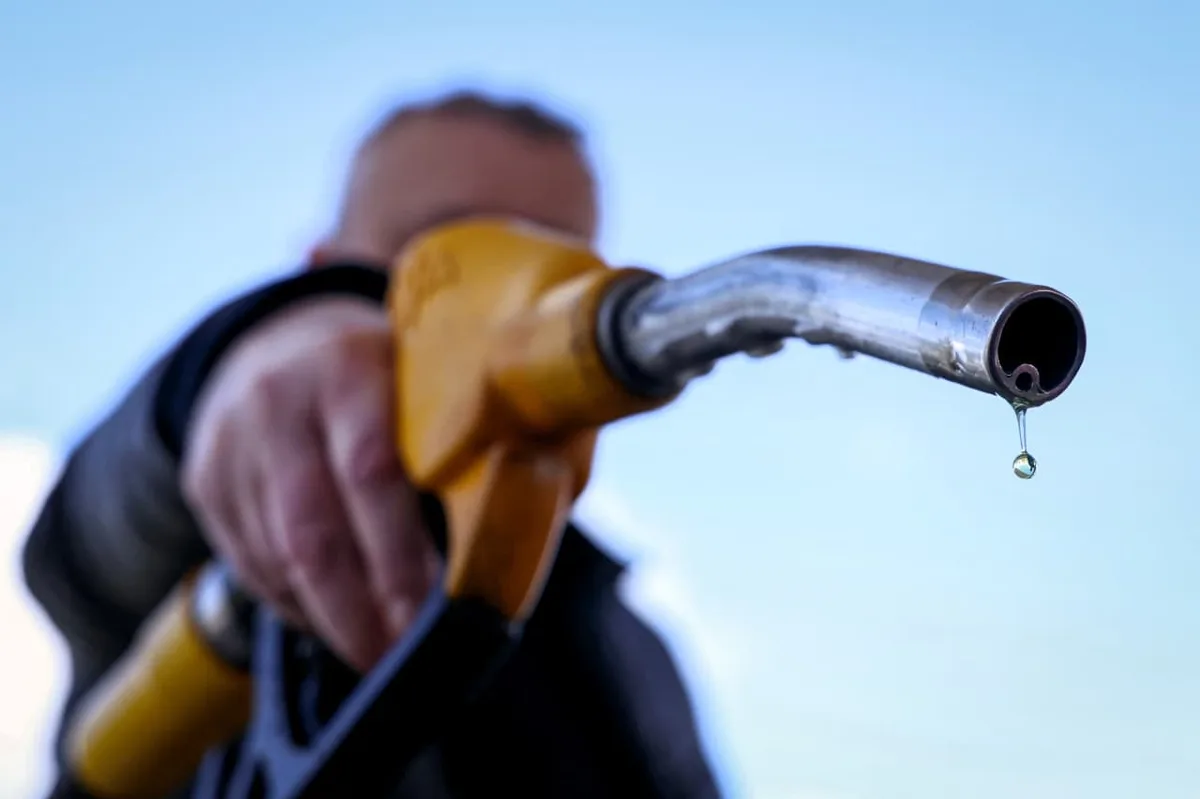
You've probably noticed something frustrating: oil prices slide, but you're still paying a fortune at the pump. Don't blame Iran. Don't blame the Middle East headlines. Blame the financial machinery that sits between a barrel of crude and your gas tank.
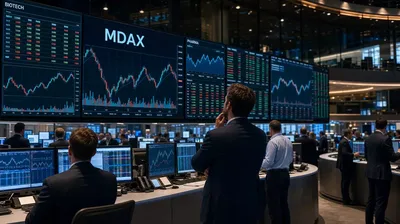
The way energy markets are structured, Wall Street players — traders, refiners, and futures speculators — act as a buffer layer that absorbs price drops before they ever reach consumers. When crude falls, margins get captured upstream. When crude rises, those costs get passed downstream immediately. It's a one-way valve, and you're on the wrong end of it.
Read more Jensen Huang Says AI Chip Boom Won't Bust Anytime Soon →
This isn't a conspiracy — it's incentives. Refiners and distributors have little reason to race each other to the bottom on retail prices when demand stays relatively stable and switching costs for consumers are essentially zero. You need gas. You'll buy it. That pricing power doesn't disappear just because a barrel of West Texas Intermediate had a bad week.
The geopolitical noise around Iran makes for dramatic headlines, but it's largely a distraction from the structural story. Energy price spikes tied to war fears tend to be sharp and temporary. The slow, grinding elevation of your baseline gas bill is a different animal entirely — one rooted in how Wall Street has financialized the commodity chain from wellhead to gas station.
So what do you do with this as a trader or a consumer? Recognize that gas prices are a lagging, distorted signal. Crude futures are the real-time read. And if you're playing energy stocks or ETFs expecting a direct crude-to-pump transmission, you're working with a broken model. Continue reading at MarketWatch.com