Why Gas Prices May Stay High This Fall Despite Cheaper Crude
Crude oil is cooling off, but don't expect relief at the pump. Tight refining capacity tied to global conflicts is keeping gas prices stubborn.
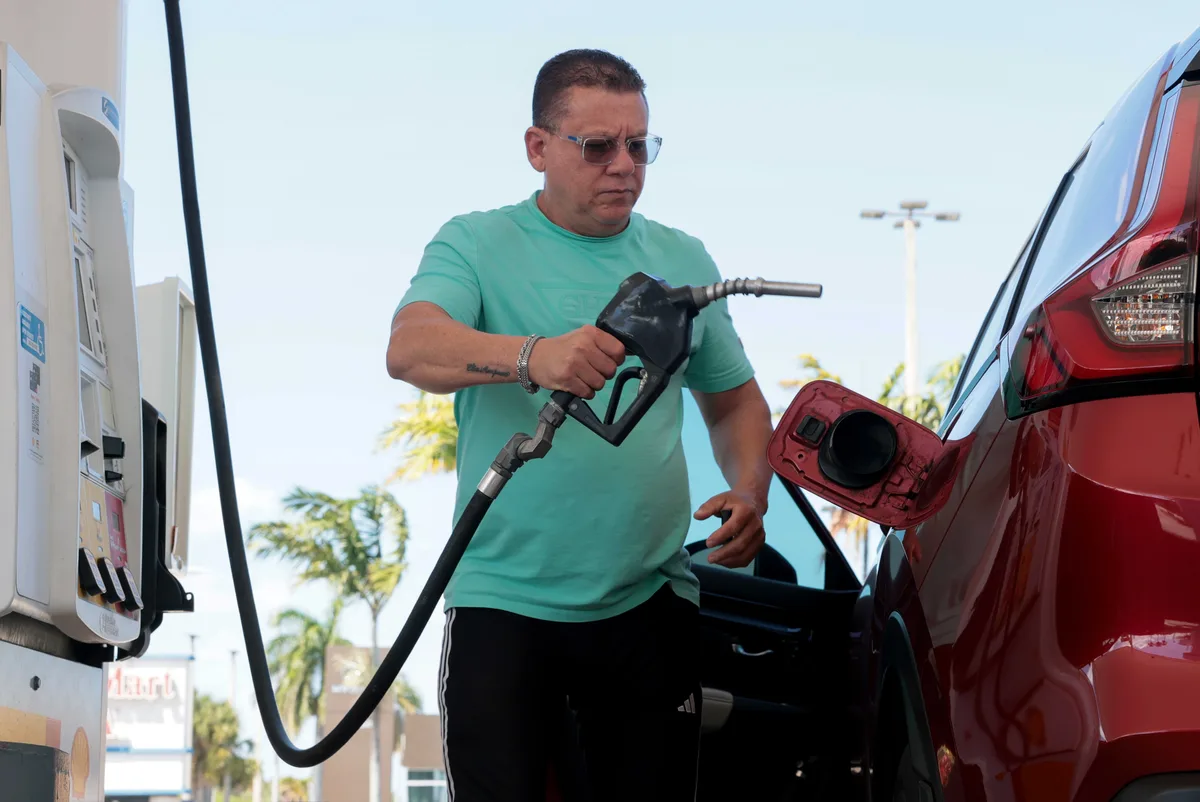
You've probably noticed crude prices easing up lately and thought, great, cheaper gas is coming. Not so fast. The real bottleneck right now isn't how much oil is in the ground — it's what happens to that oil before it ever reaches your tank.
Refining capacity is stretched dangerously thin, and two major geopolitical flashpoints are driving that squeeze. The wars in Ukraine and Iran have disrupted refining markets in ways that don't just disappear when crude prices tick down. Refineries that are offline or operating under stress can't simply flip a switch back to full capacity.
Read more Dow Futures React to Trump Hormuz Claim; Rocket Lab Drops on Earnings →
Here's the tradeable reality: crude and gasoline prices have decoupled. That's unusual, and it matters. When the refining margin — what traders call the "crack spread" — stays wide, gas prices hold up even as the raw input gets cheaper. You could be watching oil drop on your trading screen while drivers keep getting hammered at the pump.
This dynamic could persist through the fall driving season. Geopolitical conflicts don't resolve on a convenient schedule, and refining infrastructure damaged or disrupted by war takes time to restore. Until global refining capacity loosens up, consumers and traders alike need to stop treating crude prices as a reliable leading indicator for gasoline costs.
Bottom line: if you're trading energy or just budgeting for your commute, watch the crack spread — not just crude. That's where the real story is right now. Continue reading at US Top News and Analysis.