Why Kevin Warsh Should Hold Rates Steady at July Fed Meeting
Three forces are pulling the new Fed chair toward a pause. Here's what traders need to watch this week.
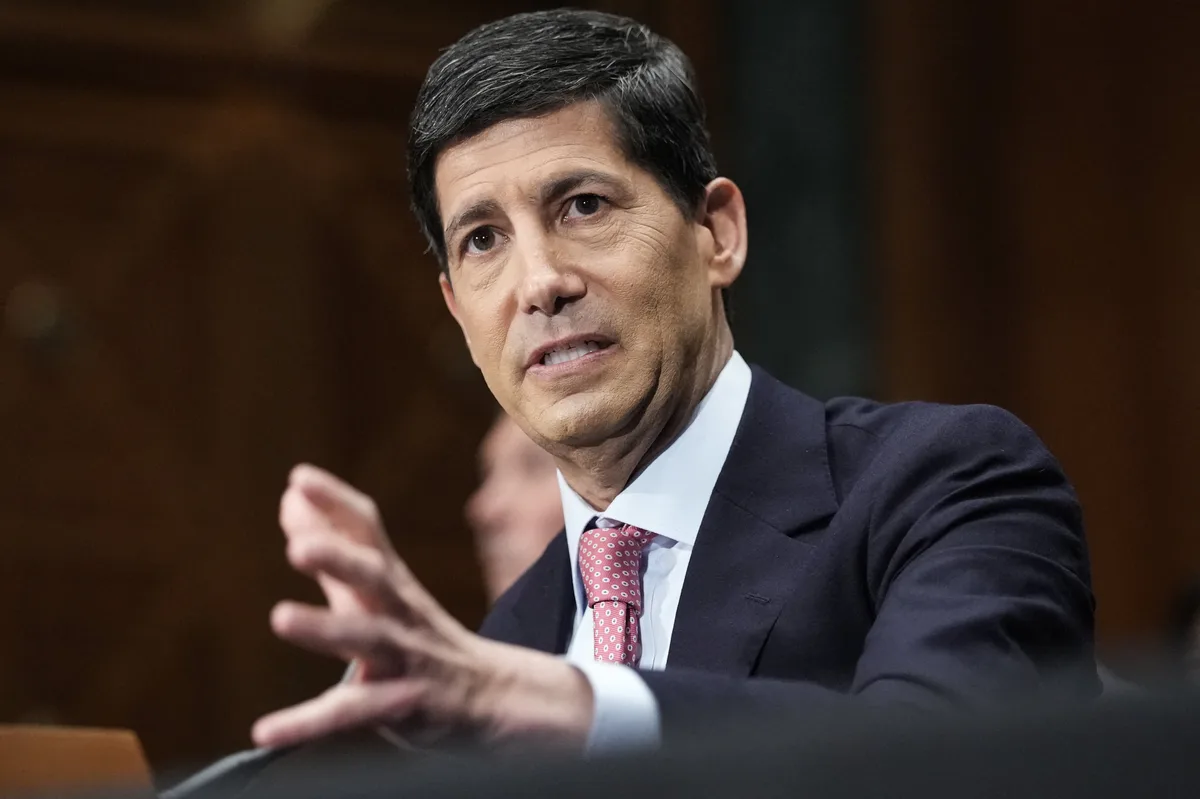
Kevin Warsh steps into the spotlight at this week's Federal Reserve meeting, and the pressure is real. As the new chairman, every word he says will be parsed by markets looking for clues on where rates — and the economy — are headed. The smart money says he holds. Here's why.
First, energy shocks are doing the Fed's dirty work for it. When oil prices swing hard, they ripple through inflation readings in ways that monetary policy can't easily outrun. Raising rates into an energy-driven price spike risks overcorrecting — you tighten the screws right as the shock fades, and suddenly you've crushed demand for no reason.
Read more Leveraged SK Hynix ETFs Take a Beating in AI Chip Selloff →
Second, AI-driven price pressure is a wildcard that no Fed model has fully priced in. Technology-fueled productivity gains could be suppressing underlying inflation even as headline numbers look sticky. Warsh hiking into that fog would be a gamble, not a strategy. A hold buys time to read the data and avoid a policy mistake that's tough to walk back.
Third, the political backdrop is impossible to ignore. Trump's public pressure on the Fed to cut rates puts Warsh in a bind. Move too fast in either direction and you look like you're either caving or overcompensating. Holding steady is the cleanest play — it signals independence without escalating a fight nobody wins. Task forces reviewing Fed operations add another layer of institutional uncertainty that argues for caution over action.
Bottom line: Warsh has every incentive to project steady-handed credibility right now. A rate hold lets him control the narrative, study the crosscurrents, and save his ammunition for when the data actually demands a move. Watch the press conference more than the decision itself — that's where the real trade signal lives. Continue reading at US Top News and Analysis.