Why Renting May Beat Buying a Home as an Investment
The old homeownership dream may be costing you money. Renting is increasingly the smarter financial move for many Americans.
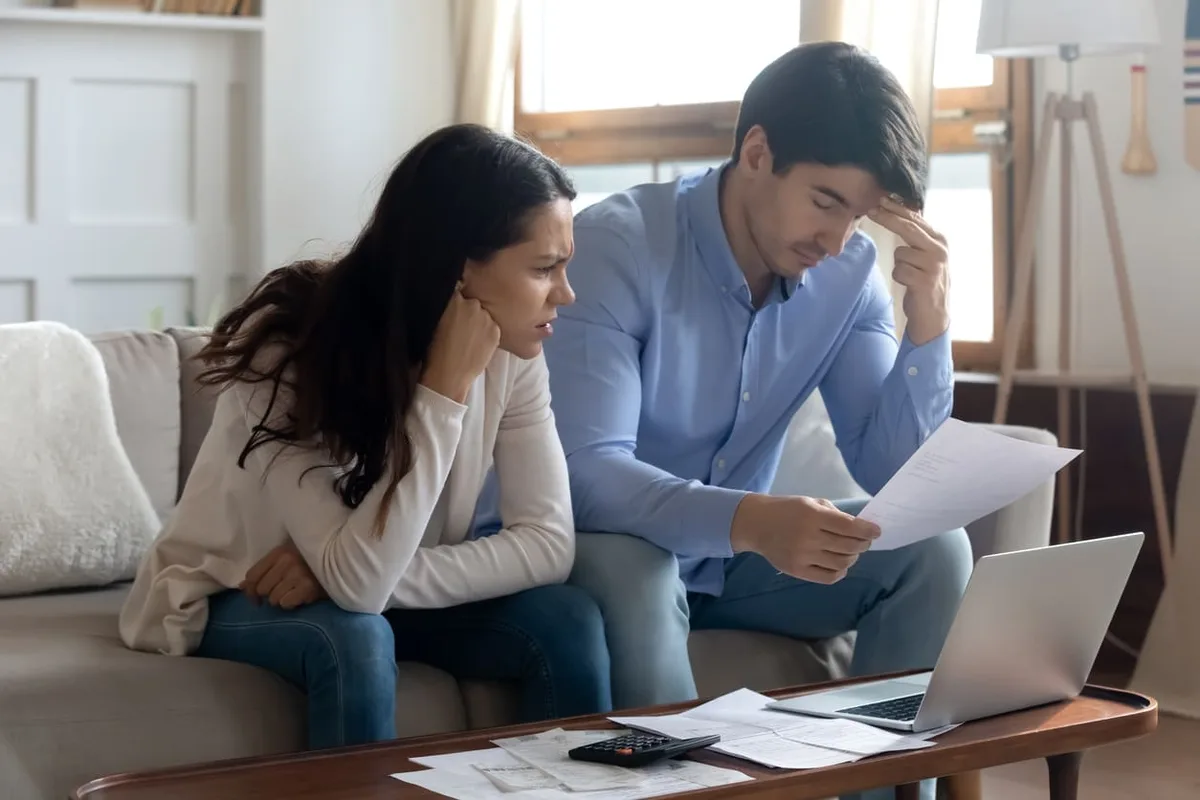
Forget everything your parents told you about buying a house being the ultimate wealth-builder. The math has shifted, and clinging to that old playbook could be quietly draining your net worth.
Homeownership carries costs most buyers underestimate — mortgage interest, property taxes, maintenance, insurance, and transaction fees that can easily swallow years of supposed "equity gains." When you stack those up honestly, the returns look a lot less impressive than the dinner-party brag suggests.
Read more Should You Buy a Wedding Band From Quince? Here's the Real Talk →
Renting, on the other hand, keeps your capital liquid. That money sitting in a down payment could be deployed into diversified investments — markets that historically deliver strong returns without a leaky roof or a surprise HVAC replacement eating your gains. Flexibility has real dollar value too, especially in a job market that rewards mobility.
The cultural bias toward homeownership runs deep in America, but bias isn't a financial strategy. The rent-vs-buy calculation is hyper-local and hyper-personal. In high-cost metros especially, monthly rent versus an equivalent mortgage payment — plus carrying costs — can make renting the obvious winner for years at a stretch.
None of this means buying is always wrong. But treating a house as your primary investment vehicle, rather than a place to live, is a framework worth seriously questioning. Continue reading at MarketWatch.com