Why Retailers Are Splitting on How to Handle Tariff Refunds
Retailers are taking opposite approaches to tariff refunds this earnings season — some cut prices, others pocket the margin.
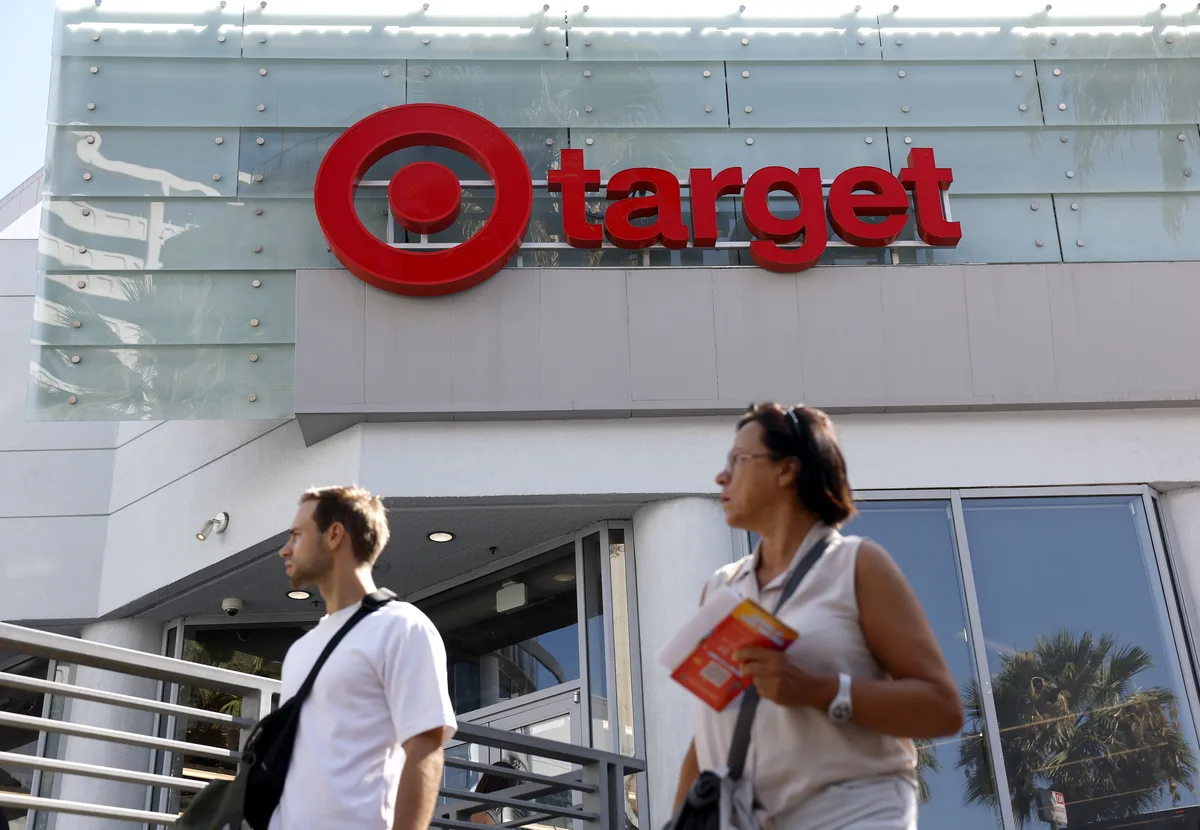
Tariff refund season is here, and retailers are not playing it the same way. Some are passing the savings straight to shoppers through lower prices. Others are quietly banking the difference as margin expansion. Same windfall, completely different playbooks — and that gap tells you a lot about where each company sees its competitive pressure right now.
If a retailer is cutting prices, they're worried about losing traffic. They're betting that cheaper sticker prices bring in more volume, and they'd rather fight for market share than pad quarterly results. That's a defensive move, and it signals management thinks the consumer is stretched thin and shopping around.
Read more Miniso Membership Surge Meets Global Expansion Headwinds →
The margin-takers are playing a different game. They're betting their customer base won't bolt over price, and they'd rather show Wall Street a cleaner profit line. In a rate-sensitive market, that EPS boost matters. It's an offensive posture — hold the price, harvest the cash, reward the shareholder.
For traders, this divergence is the whole ballgame right now. Two companies in the same retail vertical can report the same tariff refund amount and produce wildly different earnings narratives. One looks like a growth story, the other looks like a value defender. You need to know which camp your holdings are in before the print drops.
The broader takeaway is that tariff policy ripples through earnings in ways that aren't always obvious on the surface. Management discretion over how to classify and deploy these refunds gives executives unusual flexibility this cycle — and unusual cover for whatever results they deliver. Continue reading at US Top News and Analysis.