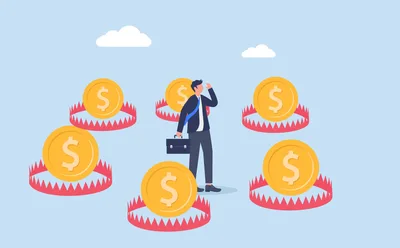
Why Your Bank Account Balance Isn't Really Yours
Your bank account may feel like your money, but legally it belongs to the bank. Here's what that means for you.
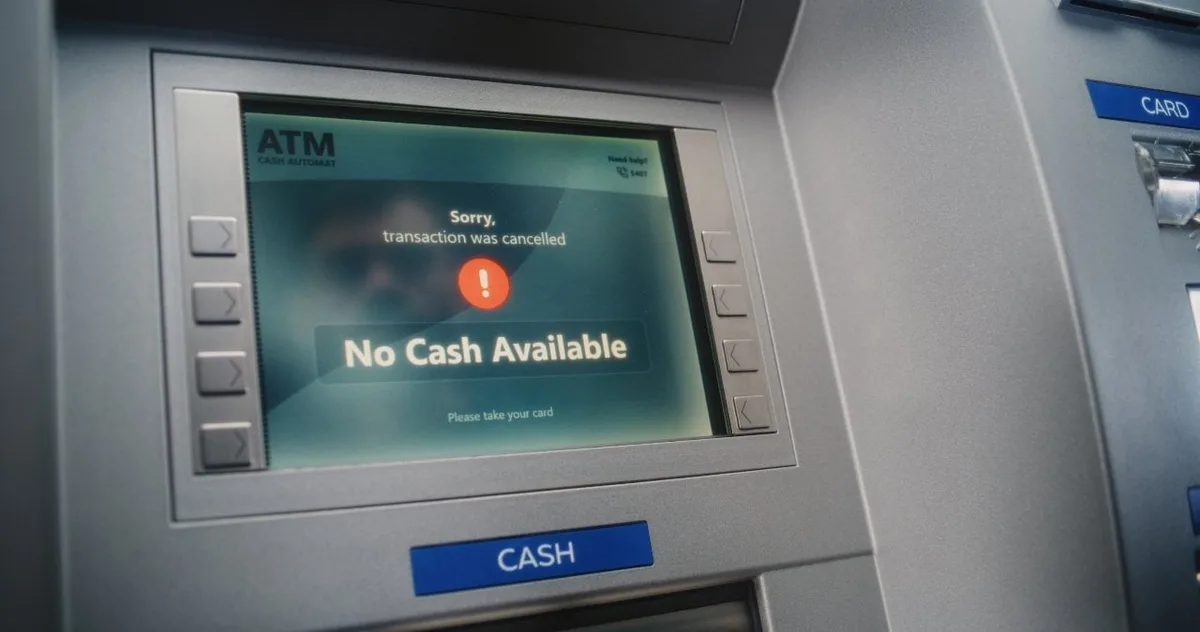
Most people assume the money sitting in their bank account is theirs. It's not — at least not in the way you think. When you deposit cash, you're essentially handing it over to the bank and becoming an unsecured creditor. The bank now owns your funds and owes you a debt.
This isn't a conspiracy theory. It's basic contract law baked into the banking system. The moment your paycheck hits your account, the bank can use those funds for lending, investments, or whatever else it sees fit. You get a promise in return — a liability on their books.
Read more Retirement as We Know It May Be Ending, Expert Warns →
Why does this matter to you as an everyday account holder? Because if a bank fails, you're not first in line to get paid. Depositors rank behind secured creditors. The FDIC insurance cap exists precisely because the system acknowledges this vulnerability — it's a safety net for when the promise breaks down.
This legal reality has fueled growing interest in self-custody assets like Bitcoin, where holding your own private keys means you're the actual owner — no counterparty risk, no bank balance sheet standing between you and your funds. The old crypto maxim 'not your keys, not your coins' flips the banking problem on its head.
Understanding the legal structure of bank deposits isn't paranoia — it's financial literacy. Know what you own, and what you're just owed. Continue reading at news_bitcoin.