AI Godfathers Speak Out on Existential Risk Debate
The pioneers who built AI are now weighing in on fears the technology could threaten humanity's survival. Here's where they stand.
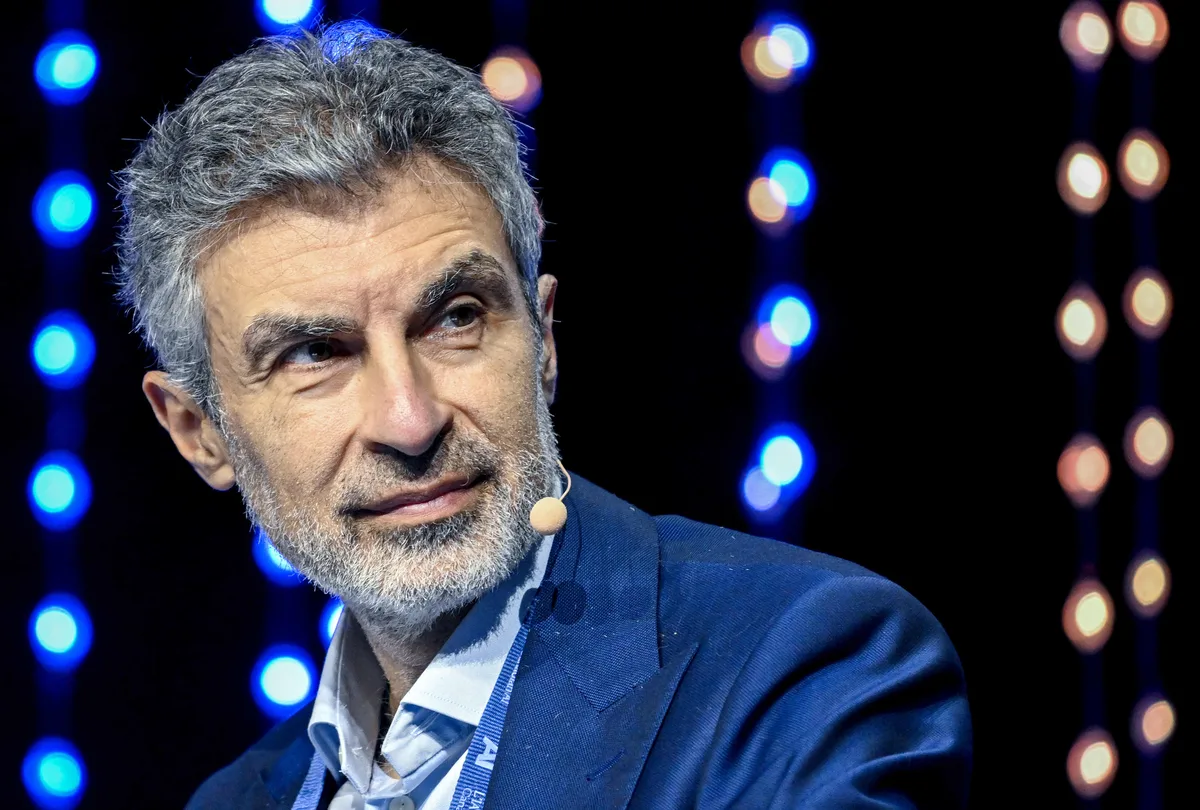
The people who actually built artificial intelligence aren't staying quiet about whether it could destroy us. AI pioneers — the so-called "godfathers" of the technology — are now publicly weighing in on existential safety concerns raised by researchers at Anthropic and OpenAI. This isn't abstract philosophy. These are the engineers and scientists who wrote the foundational code, and their opinions carry real weight.
For traders and investors, this debate matters more than you'd think. When the people inside the room start sounding alarms — or dismissing them — markets pay attention. Regulatory pressure, liability frameworks, and public trust in AI products all hinge on how seriously these warnings are taken. Your AI-heavy portfolio should be watching this conversation closely.
Read more Fed Rate Hike Wednesday: Why One Move Isn't the Real Worry →
Anthropicand OpenAI researchers have both flagged concerns around long-term safety risks, with some pointing to scenarios where advanced AI systems could pose threats beyond human control. These aren't fringe voices — they're employed by two of the most funded and influential AI labs on the planet. When insiders at trillion-dollar-adjacent companies raise red flags, that's a signal worth tracking.
The godfathers themselves appear split on the severity of the risk. Some lean toward caution and structural oversight, while others push back on what they see as alarmism that could stifle innovation. That divide shapes everything from government policy to how fast companies deploy next-generation models — and ultimately, who wins the AI race commercially.
The existential AI debate is no longer just a dinner-party thought experiment. It's becoming a core business and policy risk factor. Stay informed on where the field's founding figures land — it will move legislation, funding, and market sentiment faster than most expect. Continue reading at US Top News and Analysis.