Bots Are Dominating Ticket Markets — And That's Not the Whole Story
Automated bots are scooping up concert and train tickets before humans can, but scalping's root causes run much deeper.
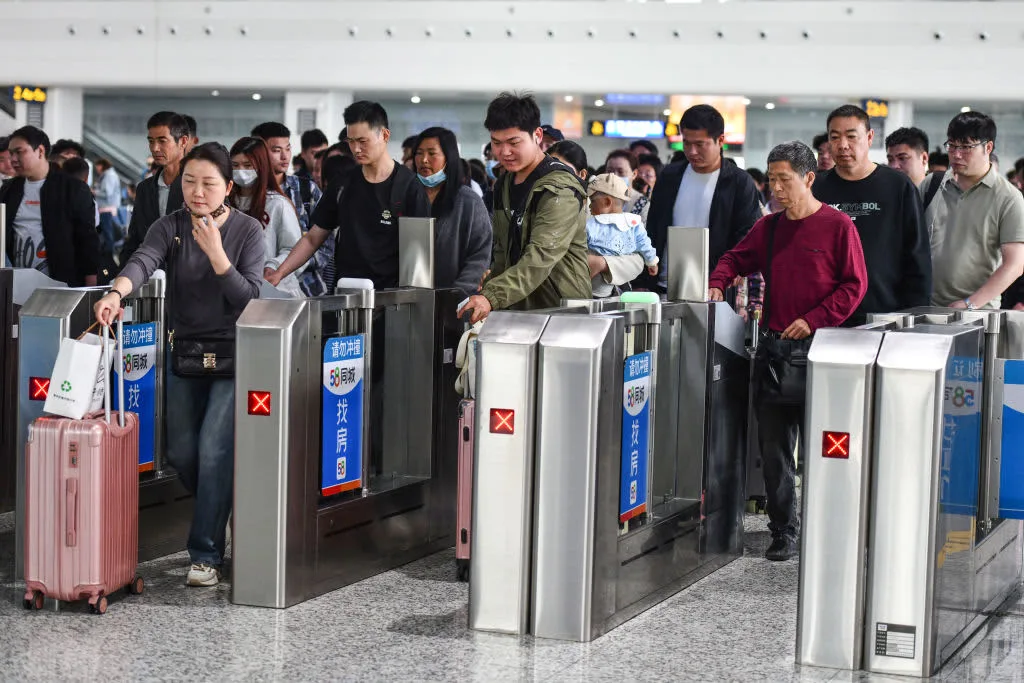
If you've ever lost a Taylor Swift ticket to a bot in under 30 seconds, you already know the pain. Automated software is sweeping up seats — from stadium concerts to Amtrak reservations — faster than any human can click "purchase." The result: you're left staring at a sold-out screen while resale prices go through the roof.
Bots have become the go-to villain in the ticket scalping debate, and honestly, they deserve the heat. They're sophisticated, fast, and increasingly hard to detect. Platforms use CAPTCHAs, queue systems, and purchase limits to fight back, but bot developers keep evolving their tools. It's an arms race, and right now the bots are winning.
Read more Cencosud Buys Makro Colombia for $158M in Cash-and-Carry Push →
But here's the tradeable insight — bots aren't the only problem, and that matters if you want to actually fix your ticket strategy. Artificial scarcity, dynamic pricing, and platform incentives all fuel the secondary market just as aggressively. Even without a single bot, high-demand events would still generate brutal resale markups because the economics of live experiences favor sellers over buyers almost every time.
For the average fan or commuter, the play is adapting to the reality of the market. That means being ready at presale, using official verified channels, and understanding that waiting for "better prices" on resale often backfires. The bots are fast — but knowing the full picture keeps you one step ahead of getting burned.
Continue reading at US Top News and Analysis