Iran's Hormuz Stranglehold Is a Calculated Negotiating Weapon
Iran is using Strait of Hormuz traffic as a pressure valve in US talks. Markets may be badly underpricing the risk.
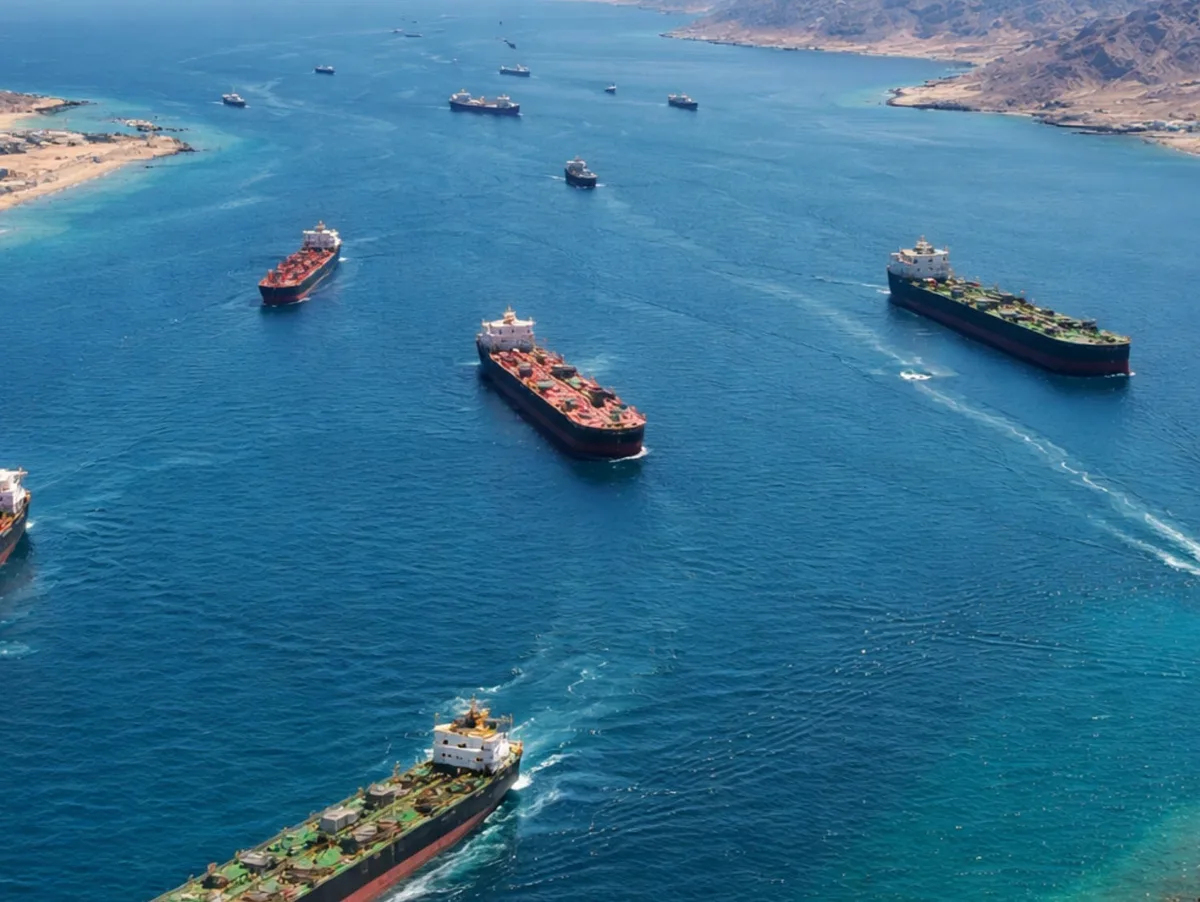
Here's the play Iran is running — and it's working. Every time Trump signals a deal is dead, Tehran tightens the choke on the Strait of Hormuz. Then Trump walks it back, both sides hint at returning to the table, and markets breathe again. Rinse and repeat. Don't mistake that pattern for resolution. It's a squeeze.
The Strait of Hormuz is Iran's most powerful chip, and Tehran knows exactly how to use it. Attacking shipping there does two things at once: it reminds Washington that Iran can torch the global oil market on demand, and it hands Iran a ready-made excuse to stall or kill talks whenever the US makes a move it doesn't like. If the US strikes back? Talks are off. If Israel hits Lebanon? Blame that too. Every provocation is a tactical timeout Iran can cash in whenever it wants more sanctions relief or frozen-fund releases.
Read more Why the Stock Market and Economy Look Out of Sync →
Trump can afford to play tough right now because oil prices are relatively contained. But that window won't stay open forever. The moment prices spike and start threatening US economic conditions — and his midterm positioning — the pressure to concede grows fast. That's precisely the outcome Iran is engineering. It's not about winning outright. It's about buying time and extracting concessions while the clock runs.
The oil market is quietly burning through cushion just to hold prices stable while supply chains take a sustained hit. The real danger is that the market has priced in a tidy resolution that isn't coming. The strait doesn't have to stay fully shut to cause serious damage — just perpetually uncertain. That ambiguity alone hammers shipping costs, inflates raw-material prices, and keeps global growth on edge.
If you're trading energy or anything supply-chain sensitive, don't get lulled by the temporary calm every time talks restart. Iran's strategy is to keep the pressure simmering indefinitely, not to resolve it. The next escalation isn't a surprise — it's part of the script. Continue reading at Forexlive.