Iran Threatens Strait of Hormuz and Gulf Oil Flow Cutoff
Iran escalates warnings to cover energy grids, shipping lanes, and Gulf oil supply as U.S.-Iran rhetoric turns dangerous.
Iran isn't bluffing around the edges anymore — it's threatening the whole board. The Islamic Revolutionary Guard Corps warned that any U.S. strike on Iranian bridges or power plants triggers retaliation against electricity supplies feeding American regional allies. That's a direct threat to civilian infrastructure across the Middle East, not just military sites.
The Strait of Hormuz is now squarely in play. The IRGC Navy claims "absolute control" over who gets in and out of the strait and told commercial vessels that alternative routes are "unsafe and dangerous" with "serious and irreparable consequences" attached. Roughly 20% of global oil moves through that chokepoint. If Iran means what it says, energy markets should be paying close attention right now.
Read more Iran War Energy Shock Pushes Gas and Diesel Prices Higher →
Iran's top joint military command escalated even further, stating that U.S. threats will only "expand war in the region and beyond" — and pledging to stop all Gulf oil flow while targeting oil, gas, electricity, and economic infrastructure across the region. That's not a warning shot. That's a scorched-earth posture.
On the political side, gasoline already sits back above $4.00 a gallon, U.S. personnel are exposed in the region, and Netanyahu is reportedly heading to Washington. Trump faces real pressure to act rather than walk back threats, whatever the "TACO" critics say. Add unconfirmed explosion reports out of Kuwait and the risk premium on crude should only grow.
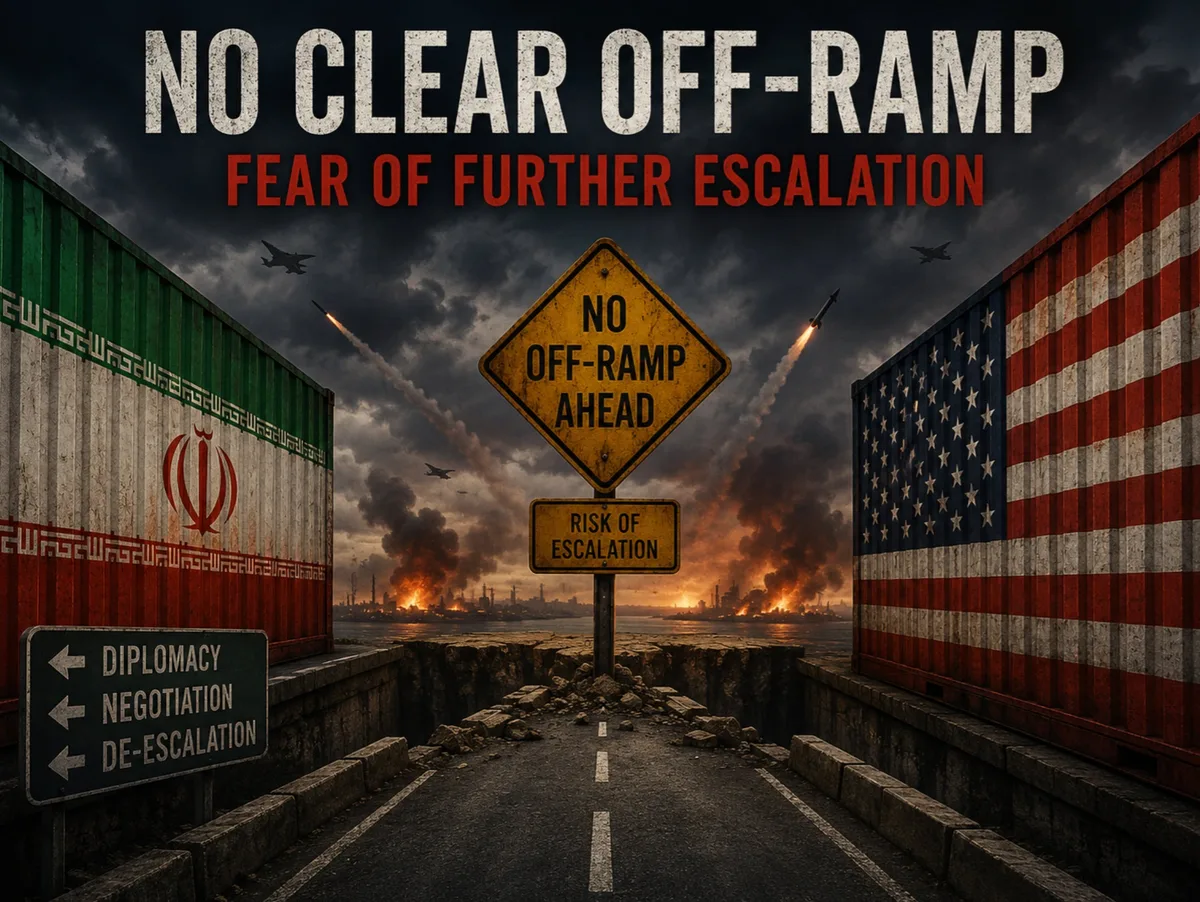
The off-ramp here is genuinely hard to see. Both sides keep raising stakes with no clear signal of what de-escalation looks like. Traders holding energy exposure need to stay locked in. Continue reading at Forexlive.