Iran War Energy Shock Pushes Gas and Diesel Prices Higher
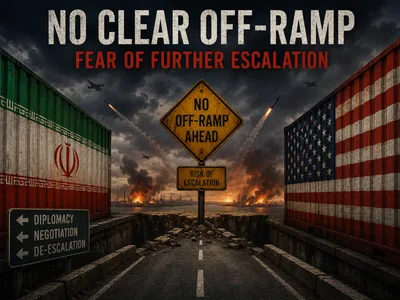
Rising fuel costs tied to the Iran conflict are hitting U.S. consumers hard, and prices may not drop fast even if fighting stops.
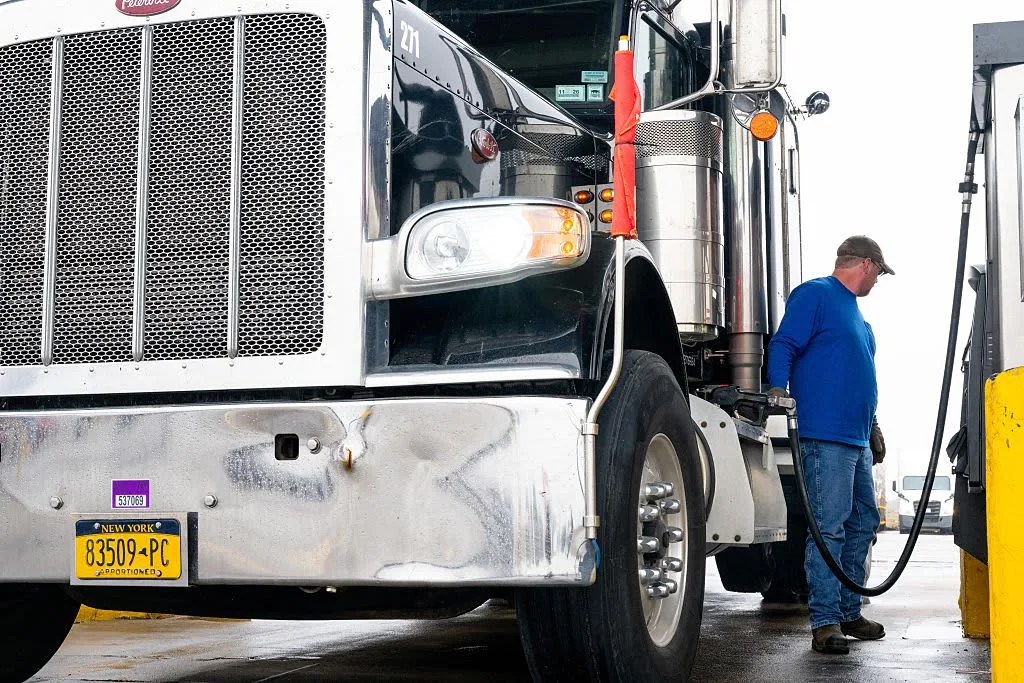
Gas and diesel prices are climbing, and the Iran war is a big reason why. The conflict — and the threat it poses to oil flow through the Strait of Hormuz — has injected a serious risk premium into energy markets. You're feeling it at the pump right now, and the pain could stick around longer than you think.
Here's the uncomfortable part: even if the guns go quiet tomorrow, prices won't snap back overnight. A new asymmetry has formed in the market. Supply disruption fears get priced in fast on the way up, but relief trades slowly on the way down. That lag is real money out of your pocket every time you fill up.
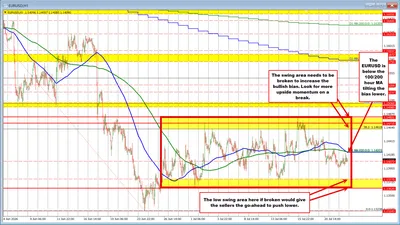
Read more ECB Rate Hold Expected, But EURUSD Breakout May Be Close →
The Strait of Hormuz is the choke point that matters most. A massive share of global oil exports moves through that narrow waterway. Any credible threat to shipping there — and right now that threat is very real — keeps traders nervous and crude bids elevated. Diesel, which powers the trucks and freight networks that move American goods, is especially exposed.
For everyday Americans, this isn't just an abstract geopolitical story. Higher diesel means higher prices on almost everything that gets shipped, stacked, and sold. Think groceries, hardware, construction materials. The energy shock doesn't stay contained to the gas station.
The tradeable angle here is simple: don't assume a ceasefire headline is your signal to short energy. The structural pressure on fuel prices has its own momentum now. Watch Hormuz shipping data and crude inventory builds closely before making that call. Continue reading at US Top News and Analysis.