Novartis Cholesterol Drug Flop Shakes Up Lp(a) Race
Novartis' clinical setback puts Amgen and Eli Lilly under pressure to prove Lp(a) lowering actually prevents heart attacks.
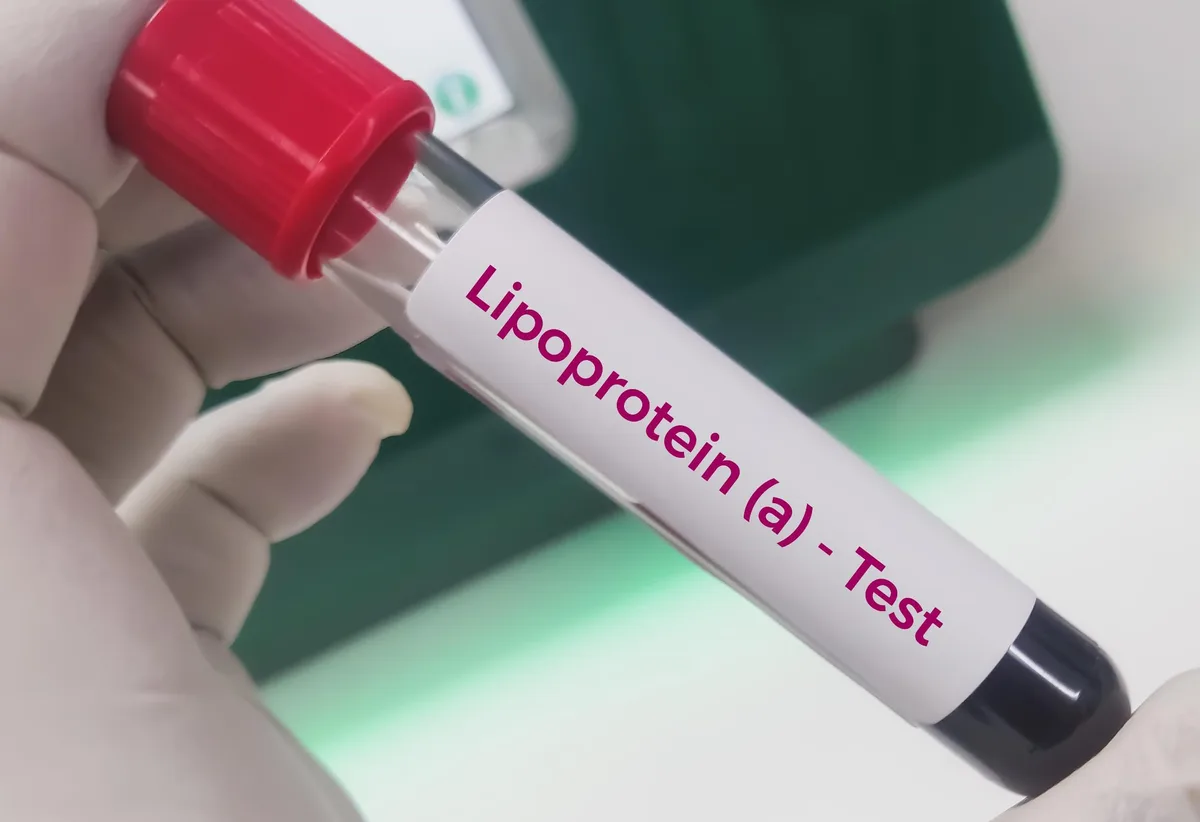
A major stumble from Novartis just reshuffled the deck in one of pharma's most expensive bets. The Swiss giant's Lp(a)-targeting drug failed to deliver, and now every investor watching Amgen and Eli Lilly needs to pay close attention. This isn't just one company's bad day — it's a question mark hanging over an entire therapeutic hypothesis.
The core issue: lowering Lp(a) levels in the blood looks great on paper, but Novartis couldn't convert that into fewer heart attacks and strokes when it counted. That's the brutal reality of cardiovascular drug development. Biomarker wins don't always translate to clinical wins, and the market is now pricing in that uncertainty across the whole space.
Read more Lilly Holds Firm as Drug Stocks Slide; Boeing Delivery Data Mixed →
Amgen and Eli Lilly are now carrying the weight of the entire Lp(a) narrative on their backs. Both companies have their own candidates in the pipeline, and their upcoming trial data just became the most-watched readouts in cardiology. If they succeed, they validate a multibillion-dollar market. If they stumble like Novartis did, the whole category could crater.
For traders, the play here is asymmetric risk. The upside on a clean Amgen or Lilly readout could be enormous — we're talking about a potential blockbuster drug class for one of the most common cardiovascular risk factors around. But the Novartis failure is a live warning that this science is harder than it looks. Position sizing matters right now more than conviction.
The race isn't over, but it just got a lot more serious. Continue reading at US Top News and Analysis.