Post-Labor Day Stock Slump Signals Tougher Road Ahead
Stocks stumbled after Labor Day, and with a Fed rate hike looming, the easy money of 2024 may be gone for good.
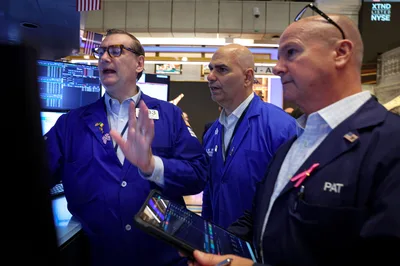
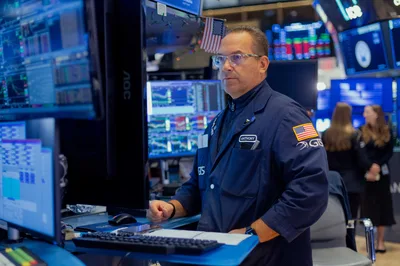
The holiday hangover is real. Stocks slipped coming out of Labor Day weekend, and if history is any guide, September is already the cruelest month for equities. This year, there's an added wrinkle that could make the autumn stretch genuinely painful: the Federal Reserve is eyeing its first rate hike since 2023.
That shift matters more than most casual investors realize. The easy-gains environment that carried portfolios higher earlier this year was built on the assumption that the Fed was done tightening — or better yet, about to cut. A pivot back to hikes blows that thesis up entirely. Suddenly, the cost of capital rises, growth multiples compress, and the momentum trades that worked so well start looking shaky.
Read more Lilly Holds Firm as Drug Stocks Slide; Boeing Delivery Data Mixed →
For active traders, this is the moment to reassess your exposure. Crowded long positions in rate-sensitive sectors — think tech and real estate — face real headwinds if the Fed pulls the trigger. Defensive plays and cash-generating value stocks historically hold up better in rising-rate environments, and that rotation could accelerate fast.
Don't assume the first dip is buyable the way it was all year. The Fed put isn't gone, but it's a lot further out of the money now. The market's safety net just got smaller, and volatility tends to fill that gap in a hurry. Position sizing and stop-losses aren't optional anymore — they're survival tools.
Continue reading at MarketWatch.com