Voters Are Furious About the Debt — But Don't Expect Big Fixes
Midterm voters rank the national debt as a top concern, yet watchdog groups say only minor reforms are likely in the near term.
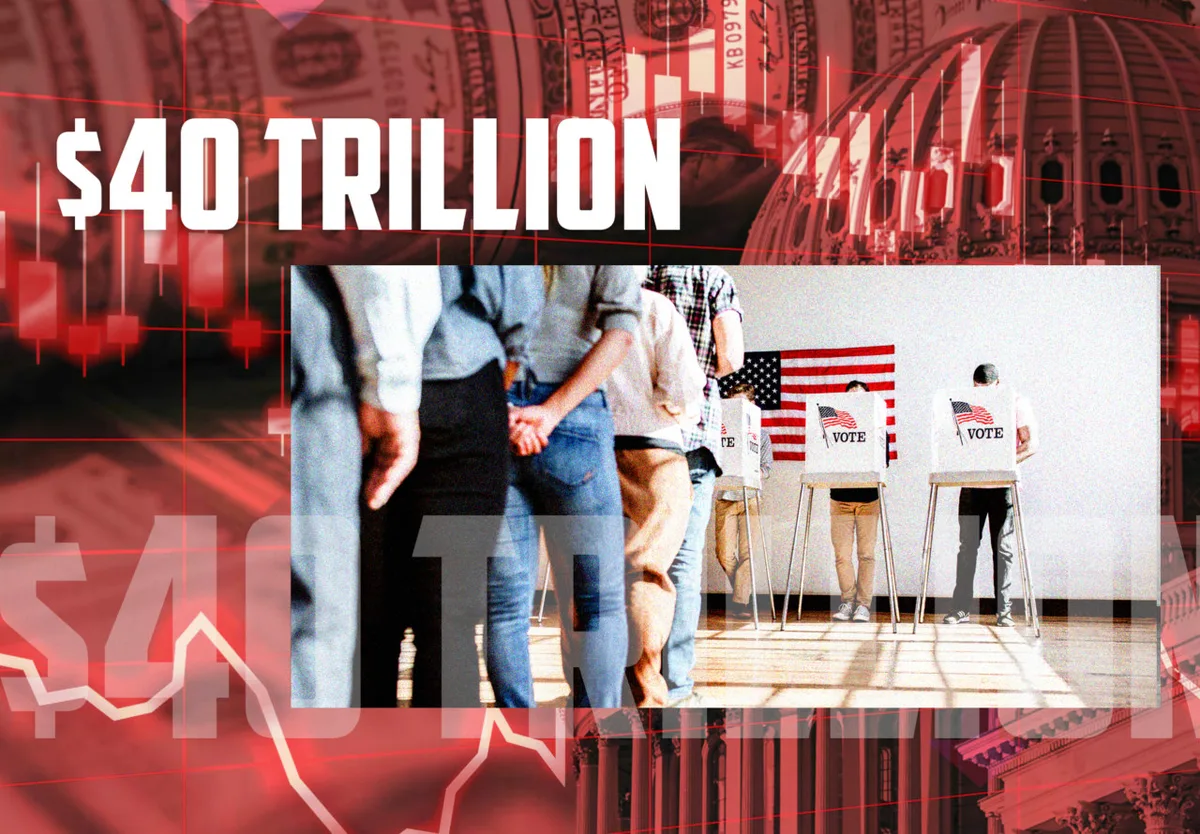
Voters heading into the midterms are sounding the alarm on the national debt, and watchdog groups are listening. The message coming back from Main Street is blunt: something is deeply wrong with how Washington handles money. That frustration is real, it's widespread, and it's crossing party lines.
But here's the cold reality — feeling worried and getting actual policy change are two very different things. Despite the voter outcry, analysts and fiscal watchdogs expect only minor, incremental fixes to come out of this election cycle. No grand bargains. No sweeping debt reduction plans. Just small moves at the margins, if that.
Read more State Dept Warns Americans to Rethink Middle East Travel Plans →
For traders and investors, that disconnect matters. A Congress that talks tough on debt but delivers nothing structural keeps the pressure on long-term Treasuries and adds uncertainty to the fiscal outlook. If you're positioned in rate-sensitive assets, don't count on political will bailing you out anytime soon.
The gap between voter anger and legislative action isn't new — but the intensity of the sentiment captured by these watchdog groups suggests the political cost of inaction is rising. Whether that translates into real accountability after November remains the central question.
Continue reading at MarketWatch.com