Fed Rate Hike: How Your Wallet Feels It Right Now
A Fed quarter-point rate hike ripples through credit cards, mortgages, auto loans, and savings. Here's what changes for you.
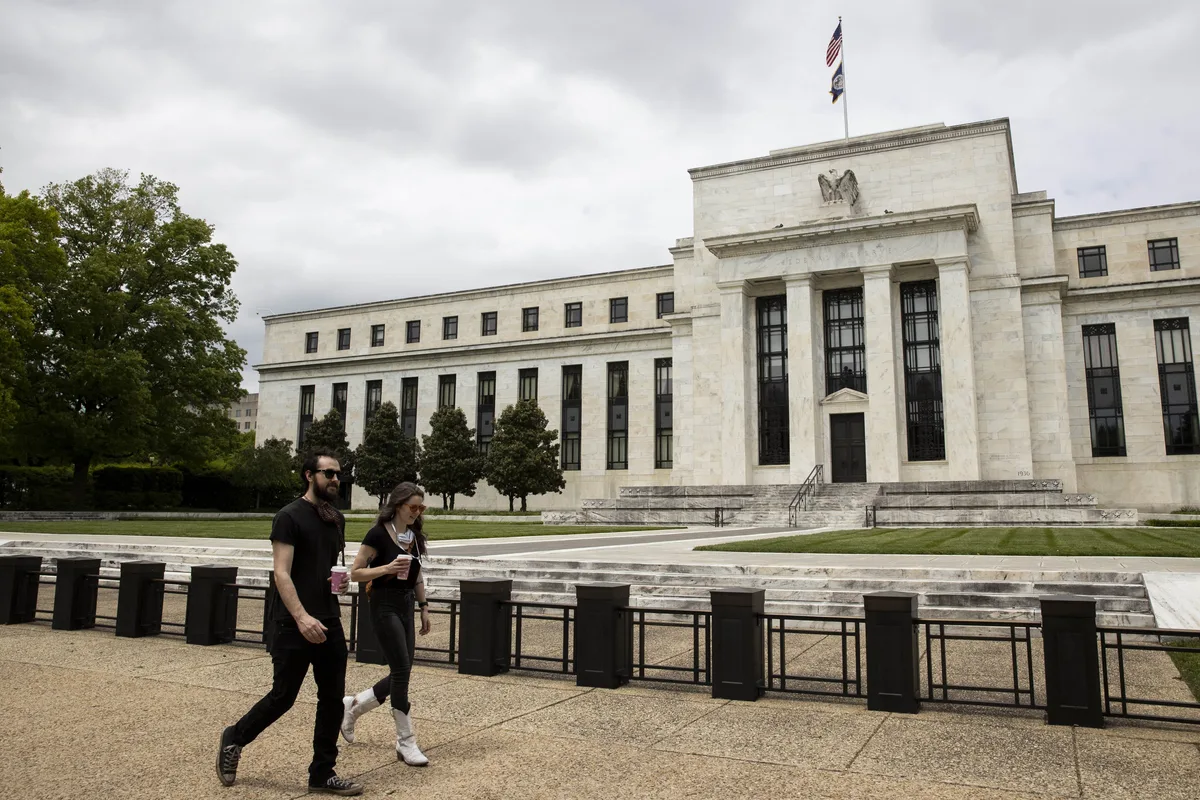
The Federal Reserve just pulled the trigger on another quarter-point rate hike, and your finances are already in the crosshairs. This isn't abstract monetary policy — it hits your monthly payments, your interest charges, and yes, finally, your savings account too.
Credit cards are the fastest to feel it. Most cards carry variable rates tied directly to the Fed's benchmark, so expect your APR to climb almost immediately. If you're carrying a balance, that's more money out of your pocket every single month. Pay it down now, or look into a balance-transfer card before rates climb higher.
Read more Fed Rate Hikes Could Boost Your Retirement Savings Yields →
Mortgages are trickier. Fixed-rate loans already baked in rate-hike expectations, so your 30-year payment probably won't budge if you're locked in. But if you're shopping for a new home or sitting on an adjustable-rate mortgage, brace yourself — borrowing costs are moving against you. Auto loans follow the same logic: dealers aren't handing out zero-percent deals anymore, and financing a new car just got more expensive.
Here's the one bright spot — savings accounts and CDs are finally starting to pay you something real. High-yield savings rates have been creeping up with every Fed move. If your bank is still offering near-zero, it's time to move your cash. Online banks and credit unions are competing hard for deposits right now, and you should take advantage of that.
Bottom line: rate hikes punish borrowers and reward savers. Know which side of that trade you're on — then act accordingly. Continue reading at US Top News and Analysis.